
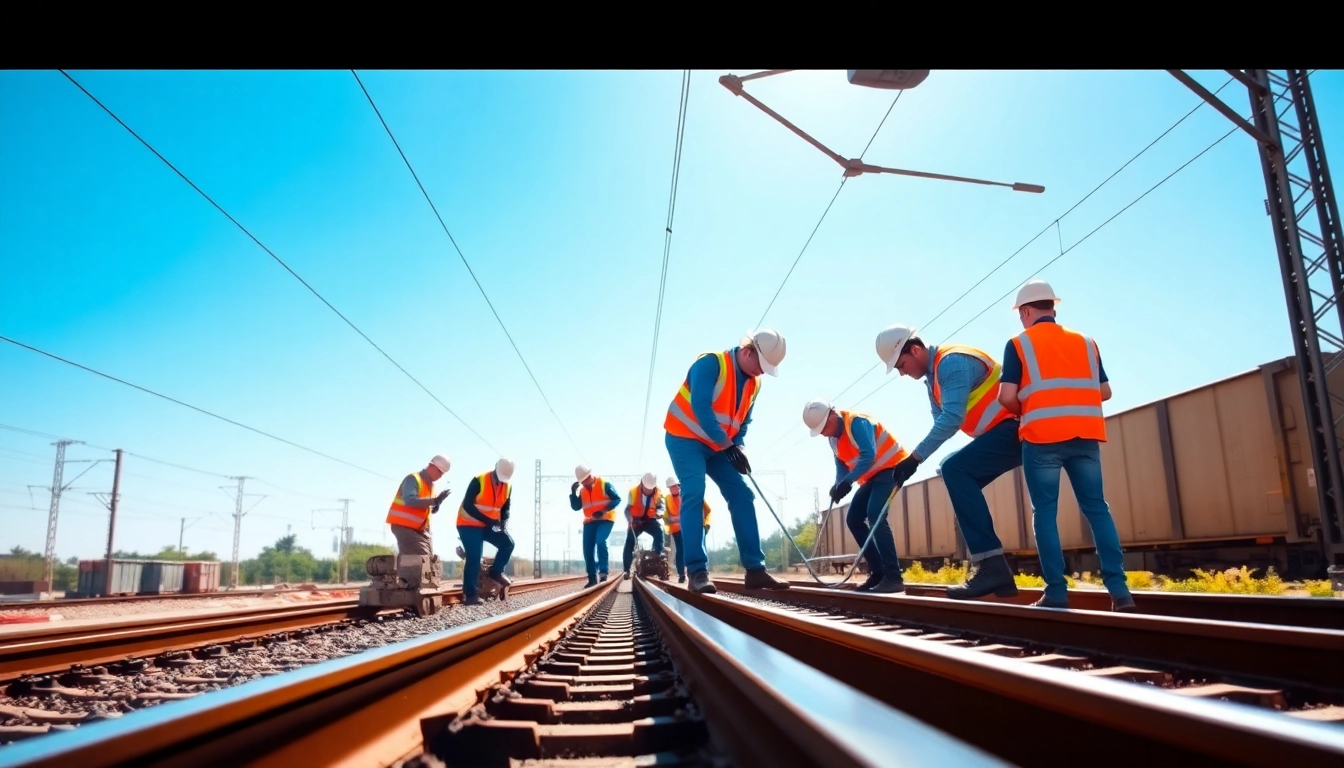
Essential Strategies for Effective Railway Maintenance Management
Understanding Railway Maintenance
Definition and Importance of Railway Maintenance
Railway maintenance is an essential aspect of railway operations, focusing on the upkeep and functionality of tracks, signaling systems, and other critical infrastructure components. The importance of effective railway maintenance cannot be overstated; it directly affects safety, efficiency, and overall service quality. Regular maintenance ensures reliability, minimizes disruptions, and enhances the longevity of railway assets.
Key Components of Railway Maintenance
Railway maintenance comprises several key components, including:
- Track Maintenance: Involves inspection and repair of tracks, ensuring they are safe for train operation.
- Signal Maintenance: Ensures that signaling systems are operational, facilitating safe and efficient train movements.
- Infrastructure Maintenance: Covers the upkeep of bridges, tunnels, and stations to guarantee that they meet safety and performance standards.
Common Challenges in Railway Maintenance
Despite its importance, railway maintenance poses various challenges:
- Funding and Resources: Limited budgets often hinder timely maintenance actions.
- Weather Conditions: Adverse weather can lead to sudden infrastructure failures, necessitating immediate attention.
- Technological Changes: Adapting to new technologies can be resource-intensive and requires skilled personnel.
Types of Railway Maintenance
Preventive Railway Maintenance
Preventive maintenance is carried out at regular intervals to prevent failures before they occur. This proactive approach often includes routine inspections and scheduled repairs, which are critical in identifying potential issues earlier.
Corrective Railway Maintenance
Corrective maintenance addresses problems after they have occurred. This type of maintenance focuses on restoring equipment to operational status, often requiring immediate action to minimize disruption in services.
Predictive Railway Maintenance
Predictive maintenance leverages advanced technologies such as data analysis and AI to predict failures before they occur. By analyzing equipment condition and performance metrics, railway operators can make informed decisions about maintenance actions.
Best Practices for Railway Maintenance
Scheduling Regular Maintenance Checks
Establishing a structured schedule for maintenance checks is crucial. This includes defining intervals for inspections and repairs based on usage patterns and environmental factors, thus ensuring that any potential weaknesses are addressed in a timely manner.
Utilizing Technology and Data Analysis
The integration of technology and data analysis enhances the effectiveness of maintenance processes. IoT devices can monitor equipment health in real-time, and predictive analytics can provide insight into optimal maintenance scheduling.
Training and Safety Protocols
Training personnel in modern maintenance techniques and safety protocols is vital. A knowledgeable workforce can execute maintenance tasks efficiently while adhering to safety standards, reducing risks and enhancing productivity.
Performance Metrics in Railway Maintenance
Key Performance Indicators for Railway Maintenance
Establishing key performance indicators (KPIs) helps in evaluating the quality of maintenance practices. Metrics such as mean time between failures (MTBF), maintenance costs per mile, and service availability percentage are essential in monitoring effectiveness.
Assessing Maintenance Effectiveness
Regular assessments of maintenance effectiveness can provide insights into operational efficiency. By analyzing performance data, operators can identify areas for improvement and allocate resources more effectively.
Continuous Improvement in Maintenance Practices
Continuous improvement strategies, such as Lean and Six Sigma methodologies, can streamline maintenance processes, reduce waste, and enhance service quality. Encouraging a culture of accountability and improvement within maintenance teams fosters long-term benefits.
Future Trends in Railway Maintenance
Innovations in Maintenance Technology
As technology evolves, the railway maintenance industry is seeing innovations such as automated inspection drones and AI-driven predictive maintenance tools. These advancements enhance operational efficiency and reduce reliance on manual labor.
Sustainability in Railway Operations
Sustainability practices are becoming central to railway maintenance, with a focus on reducing energy consumption and implementing eco-friendly materials in repairs. This is crucial for meeting regulatory standards and enhancing public perception.
Impact of Regulations on Railway Maintenance
Regulatory changes can significantly impact maintenance practices. Compliance with safety and environmental regulations necessitates ongoing adaptations in maintenance strategies, ensuring that operations align with legal standards.
Frequently Asked Questions
What is railway maintenance?
Railway maintenance refers to the upkeep of the railway network, including tracks, signaling systems, and infrastructure, to ensure safety and functionality.
Why is railway maintenance important?
Maintenance is vital for preventing accidents, ensuring operational efficiency, and prolonging the lifespan of railway assets.
What are the types of railway maintenance?
The main types are preventive, corrective, and predictive maintenance, each serving different purposes in maintaining railway efficiency.
How often should railway maintenance be performed?
Maintenance frequency depends on usage, environmental conditions, and regulatory requirements, but regular checks are essential for safety.
What role does technology play in railway maintenance?
Technology aids in predictive maintenance, real-time monitoring, and data analysis, enhancing efficiency and reducing unplanned outages.
Contact Information
Call Us: +1 780-400-4104
Email: [email protected]
Address: 3403 74 AVE NW , T6B 3B8