
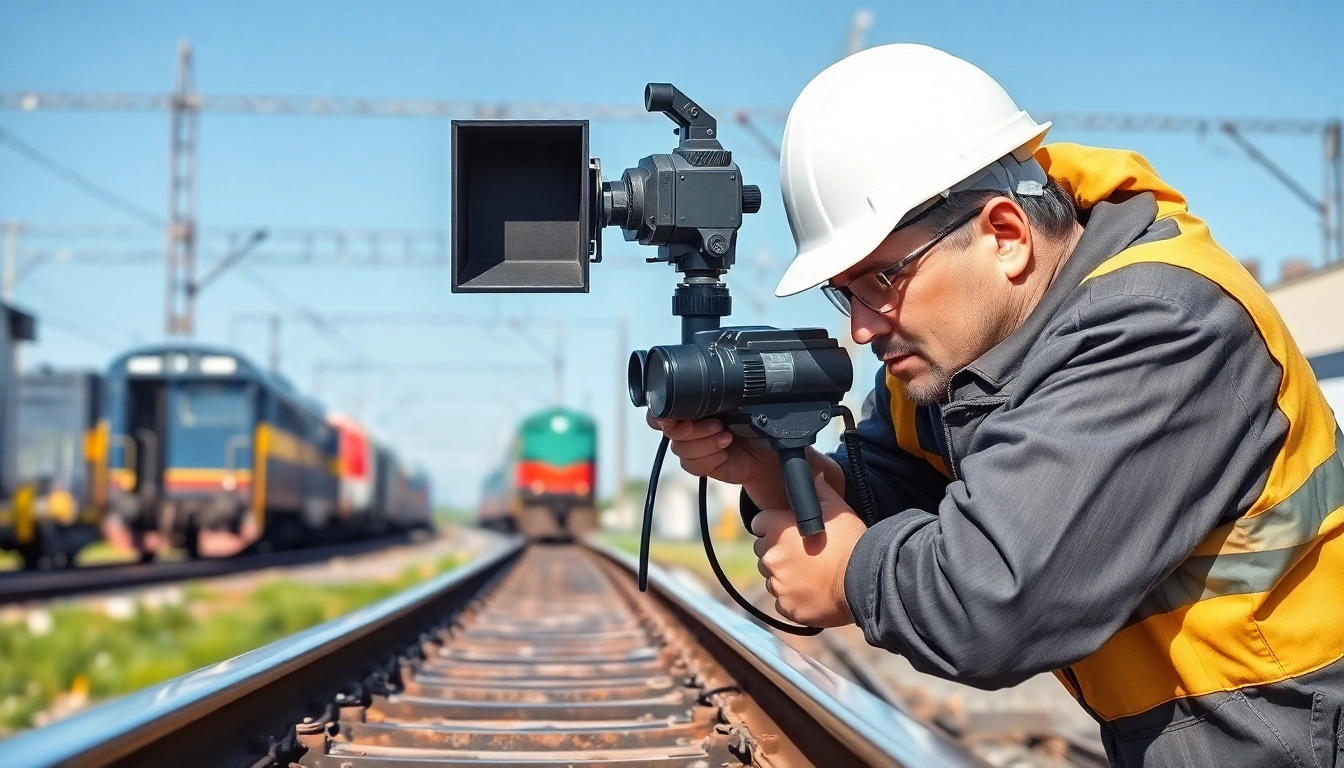
Essential Insights on Track Inpection: Best Practices and Techniques
Understanding Track Inspection: Importance and Overview
Track inspection is a crucial aspect of railway maintenance and operation, focusing on the safety and performance of railroad tracks. Conducting regular and thorough inspections helps identify defects and irregularities that could lead to operational failures, enhancing both safety and efficiency in rail transportation. With the expanding complexity of rail networks and increasing traffic demands, effective Track Inpection practices have become more important than ever.
The Role of Track Inspection in Safety
Safety is the foremost priority in any railway operation, and track inspection plays a pivotal role in maintaining that safety. Regular inspections help to identify critical issues such as track misalignment, rail wear, and structural degradation. By identifying and addressing these issues proactively, the likelihood of accidents, derailments, and service interruptions can be significantly reduced. Furthermore, inspections contribute to compliance with regulatory standards and promote confidence in the rail transport system.
Common Types of Track Inspection
There are several methods of conducting track inspections, each serving a specific purpose:
- Visual Inspections: Conducted by trained inspectors looking for obvious defects.
- Mechanical Inspections: Utilize technology and tools to measure track geometry and detect anomalies.
- Ultrasonic Testing: Sound waves are used to detect internal flaws in the rail material.
- Ground Penetrating Radar (GPR): Provides a non-invasive method to examine track bed and native soil conditions.
- Automated Inspections: Involves the use of specialized vehicles equipped with sensors and cameras for rapid inspections.
Industry Standards for Track Inspection
Adhering to industry standards is essential for effective track inspection. Regulatory bodies, such as the Federal Railroad Administration (FRA), outline specific requirements and guidelines. These include specifications for inspection frequency, the credentials of inspectors, and the methods of inspection permissible. Compliance ensures not only safety for rail operators but also for passengers and cargo transported on these systems.
Best Practices for Efficient Track Inspection
Planning and Scheduling Inspections
A strategic approach to planning and scheduling inspections can greatly enhance efficiency. It is crucial to establish a regular inspection timetable based on factors such as track usage, environmental conditions, and historical data of track performance. Inspections should be aligned with maintenance schedules to maximize the benefits of downtime.
Utilizing Technology in Track Inspection
Incorporating technology can lead to more efficient and accurate track inspections. Technologies such as drones for aerial surveillance, automated inspection vehicles for speed and accuracy, and data analytics tools for interpreting results can significantly improve inspection processes. These innovations can not only save time but also reduce errors associated with manual inspections.
Training and Certification for Inspectors
The efficacy of track inspection largely depends on the skills and knowledge of the inspectors. Continuous training and proper certification are vital to adapt to advancements in inspection technology and changes in regulations. Emphasizing the importance of certifications ensures that all inspectors are equipped with up-to-date knowledge regarding inspection techniques and safety practices.
Challenges in Track Inspection and Solutions
Weather Impact on Track Inspection
Inclement weather can pose significant challenges to track inspections. Rain, snow, and extreme temperatures can hinder visibility and the performance of inspection equipment. To counter this, inspectors can schedule more frequent inspections during favorable weather conditions and utilize advanced technology that mitigates these environmental impacts.
Addressing Human Error in Inspections
Human error remains a common risk in track inspections. Implementing double-check systems, utilizing technology for data collection, and fostering a culture of safety and accountability among inspectors can help to minimize risks associated with human error. Additionally, regular training can ensure that inspectors remain vigilant and informed about the latest inspection protocols.
Implementing Corrective Actions
When defects are identified during inspections, prompt corrective actions are necessary to prevent service interruptions. Establishing a clear protocol for reporting and addressing identified issues is essential. This may include scheduling immediate repairs, prioritizing high-risk areas, and following up inspections to confirm that corrective actions have successfully resolved the issues.
Innovative Technologies Shaping Track Inspection
Automated Track Inspection: Pros and Cons
Automated track inspection systems offer many advantages, including increased inspection speed, comprehensive data collection, and reduced reliance on manual labor. These systems can identify potential issues more quickly, allowing for rapid response. However, the initial costs of technology implementation and maintenance, alongside the need for trained personnel to manage these systems, can present challenges. Balancing automation with human oversight is crucial to ensure safety and reliability.
Data Analysis and Future Trends
The advancement of data analysis in track inspections offers significant potential for future improvements. By leveraging analytics tools to evaluate historical inspection data, rail operators can identify patterns and predict maintenance needs more effectively. The integration of artificial intelligence may further enhance these capabilities, leading to more proactive maintenance strategies and improved rail network reliability.
Integrating Drones in Track Inspection
Drone technology presents an innovative solution for track inspections. Equipped with high-resolution cameras and sensors, drones can quickly survey stretches of track and monitor conditions from unique angles. They can access hard-to-reach areas without disrupting rail operations, making them an invaluable tool for modern track management. Despite the benefits, regulatory considerations and airspace restrictions must be managed to achieve compliance and reliability in drone operations.
Measuring the Effectiveness of Track Inspection
Key Performance Indicators for Inspections
To evaluate the effectiveness of track inspection processes, key performance indicators (KPIs) should be established. These might include inspection completion rates, time taken to resolve identified issues, the frequency of defects discovered, and overall compliance with regulatory standards. Monitoring these KPIs helps track performance over time and identify areas for improvement.
Analyzing Inspection Reports
Inspection reports serve as critical documents for understanding track conditions and maintenance needs. Analyzing these reports assists rail operators in recognizing recurring problems, assessing the effectiveness of previous corrective actions, and planning future inspections and maintenance. Regular review of reports can drive continuous refinement of inspection practices and strategies.
Feedback Mechanisms for Continuous Improvement
Incorporating feedback mechanisms into the inspection process fosters a culture of continuous improvement. Engaging track inspectors in discussions about challenges and suggestions for enhancements can yield valuable insights, while soliciting feedback from maintenance teams can also provide perspectives on the effectiveness of inspections. Utilizing this feedback effectively supports the evolution of track inspection methodologies.
Frequently Asked Questions
What is track inspection?
Track inspection is the process of examining railway tracks to ensure safety, reliability, and compliance with regulatory standards.
How often should track inspections be conducted?
Inspection frequency varies based on usage, track conditions, and regulatory requirements. Regular monthly inspections are common.
What are the common defects found during inspections?
Common defects include track misalignments, broken rails, excessive wear, and structural issues in the track bed.
Can technology improve track inspections?
Yes, utilizing technology such as drones, automated inspection vehicles, and data analytics can enhance accuracy, speed, and efficiency.
What is the role of inspectors in track inspection?
Inspectors are responsible for examining tracks, identifying defects, and ensuring compliance with safety standards, often using specialized tools and technologies.
Contact Information
Call Us: (855) 920-8722
Email: [email protected]
Address: 350 Fossil Creek Boulevard, Suite 106, Fort Worth, TX, United States, Texas