
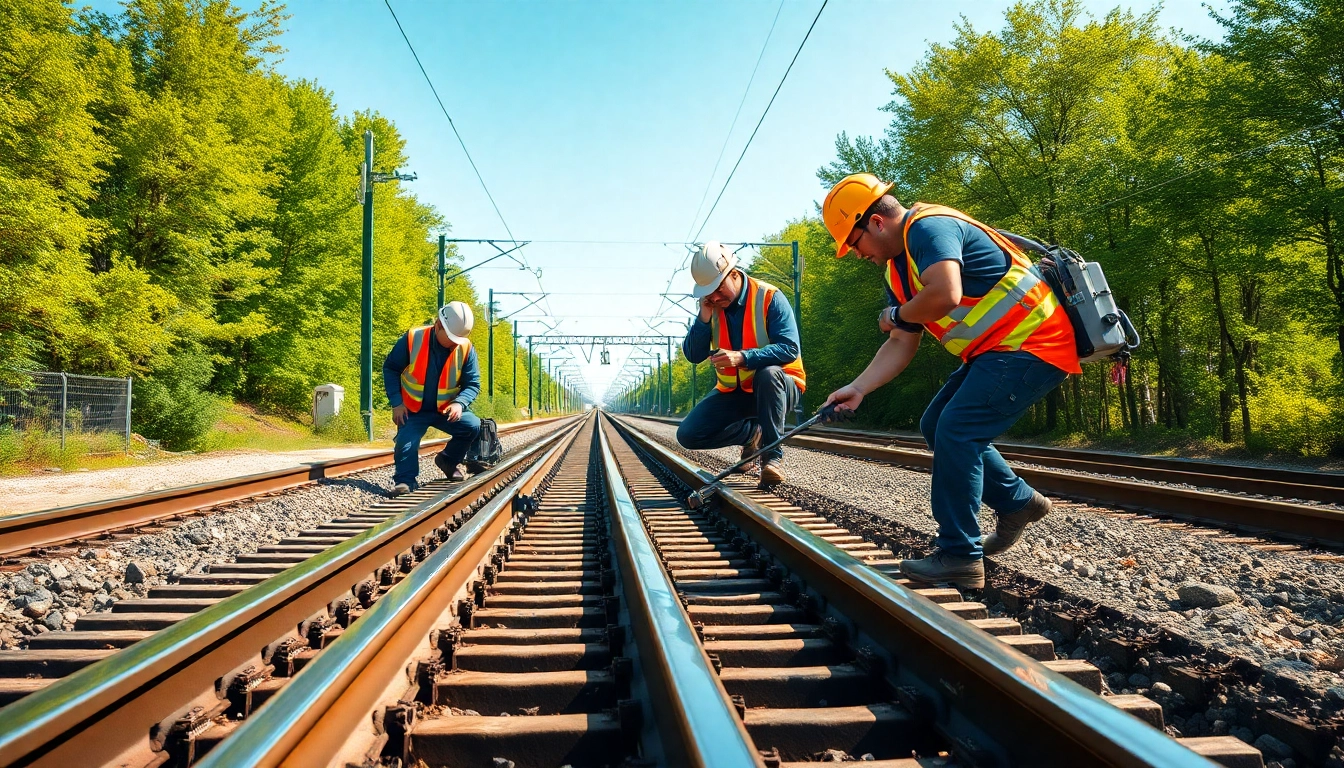
Comprehensive Guide to Railroad Maintenance Services for Safety and Efficiency
The Importance of Railroad Maintenance Services
Railroads are critical to the infrastructure of any nation, acting as the backbone for transporting goods and passengers across vast distances. To ensure safety, reliability, and efficiency, Railroad Maintenance Services become paramount. Regular maintenance not only prolongs the lifespan of rail assets but also ensures compliance with safety standards and operational efficiency.
Why Regular Maintenance is Essential
Regular maintenance of railroads minimizes the risk of accidents, decreases downtime, and enhances the overall operational flow. Scheduled inspections and proactive repairs allow operators to catch issues before they lead to catastrophic failures. This approach is vital given the heavy loads that railroads bear, the frequency of usage, and the potential impact on the surrounding environment and communities.
Benefits of Professional Maintenance
Utilizing professional maintenance services brings a wealth of benefits, including:
- Expertise: Skilled technicians provide specialized knowledge and experience that can identify potential issues and implement effective solutions.
- Cost-Effectiveness: Preventative maintenance can ultimately save costs by reducing the frequency of major repairs and the associated downtime.
- Safety Compliance: Regular service ensures adherence to safety regulations, thereby protecting employees and reducing liability risks.
- Increased Efficiency: Well-maintained rail systems lead to improved service times and reliability, enhancing the overall efficiency of operations.
Consequences of Neglect
Neglecting railroad maintenance can have dire consequences, including:
- Accidents: Deteriorating tracks can lead to derailments and accidents, risking lives and causing significant financial repercussions.
- Increased Costs: Reactive maintenance tends to be much more expensive than planned maintenance due to the sudden nature of repairs.
- Operational Disruptions: Poor maintenance practices can result in service interruptions, impacting schedules and customer satisfaction.
- Environmental Damage: Spills or accidents caused by neglected infrastructure may lead to hazardous environmental issues, attracting legal liabilities.
Types of Railroad Maintenance Services
Track Inspection and Repair
Track inspection and repair are cornerstone services under the umbrella of railroad maintenance. Regular inspection schedules involve thorough checks of tracks to spot wear, corrosion, and misalignment. These inspections are complemented by advanced technologies such as ultrasonic testing and laser scanning, which ensure precision in detecting flaws. Repair services encompass re-laying, welding, and replacing damaged rails to maintain infrastructural integrity.
Ballast Maintenance
Ballast serves as the foundation of the track, providing stability and support. Well-maintained ballast ensures proper drainage and prevents track displacement. Regular maintenance includes inspecting ballast condition, replacing worn-out stones, and ensuring that drainage systems are functioning optimally to mitigate mud pumping and other destabilizing factors.
Drainage Solutions
Effective drainage systems are crucial for maintaining the integrity of the railroad. Poor drainage can lead to track settling and deterioration, especially in adverse weather conditions. Maintenance solutions involve clearing drainage ditches, repairing culverts, and implementing erosion control measures to keep water away from track beds. These efforts help in extending the lifespan of the track and minimizing the risks associated with flooding.
Choosing the Right Railroad Maintenance Services Provider
Key Qualities to Look For
Selecting the right provider for railroad maintenance services is critical. Here are some key qualities to consider:
- Certifications: Look for providers who have appropriate safety and quality certifications.
- Reputation: Check customer reviews and industry ratings to ascertain their reliability and performance.
- Range of Services: Choose a provider that offers comprehensive services across all maintenance areas including inspections, repairs, and emergency response.
- Technology Adoption: Providers who utilize the latest technology demonstrate commitment to efficiency and innovation.
Evaluating Experience and Expertise
Experience in the railroad maintenance industry is invaluable. Providers with a proven track record mean they have likely encountered and solved various challenges. Evaluate their previous projects, ask for case studies, and inquire about their workforce qualifications to ensure their expertise aligns with your needs.
Comparing Service Offerings
Different maintenance providers offer various packages and services. It’s essential to compare these offerings comprehensively to ensure they meet your operational requirements. Look for providers that not only maintain the track but also offer ancillary services such as signaling, training for on-site teams, and advanced diagnostic assessments.
Best Practices in Railroad Maintenance
Frequency of Inspections
Implementing a structured inspection schedule is one of the best practices. Generally, tracks should undergo visual inspections monthly, with special attention to high-traffic areas. For critical components such as switches and crossings, weekly inspections may be necessary to prevent unexpected failures.
Technology Integration in Maintenance
Incorporating technology enhances the efficiency and effectiveness of maintenance efforts. Tools such as drones for aerial inspections, predictive analytics software for analyzing data trends, and automated monitoring systems can significantly improve maintenance planning and execution.
Sustainability Considerations
Modern maintenance practices increasingly prioritize sustainability. This includes using eco-friendly materials, implementing recycling processes, and designing maintenance practices that minimize environmental impact. Sustainable practices not only benefit the environment but can also enhance public relations and customer loyalty.
FAQs About Railroad Maintenance Services
What do railroad maintenance services include?
Railroad maintenance services encompass track inspections, repairs, ballast replacement, and drainage management to ensure safe operational conditions.
How often should railroad tracks be inspected?
Typically, tracks should be inspected at least once a month, with additional checks during periods of heavy usage or unfavorable weather.
Who performs railroad maintenance services?
Specialized maintenance teams comprising trained technicians and engineers, certified in railroad safety, carry out these services.
What are the risks of poor track maintenance?
Poor maintenance can lead to track failures, accidents, service interruptions, and costly repairs, putting both safety and operational efficiency at risk.
How can I choose the best railroad maintenance services provider?
Look for providers with substantial experience, positive reviews, comprehensive offerings, and appropriate certifications and safety standards.
Contact Information
Call Us: 1 (403) 452-4508
Email: [email protected]
Address: 3950 Fossil Creek Blvd Suite 106, Fort Worth, TX, USA 76137