
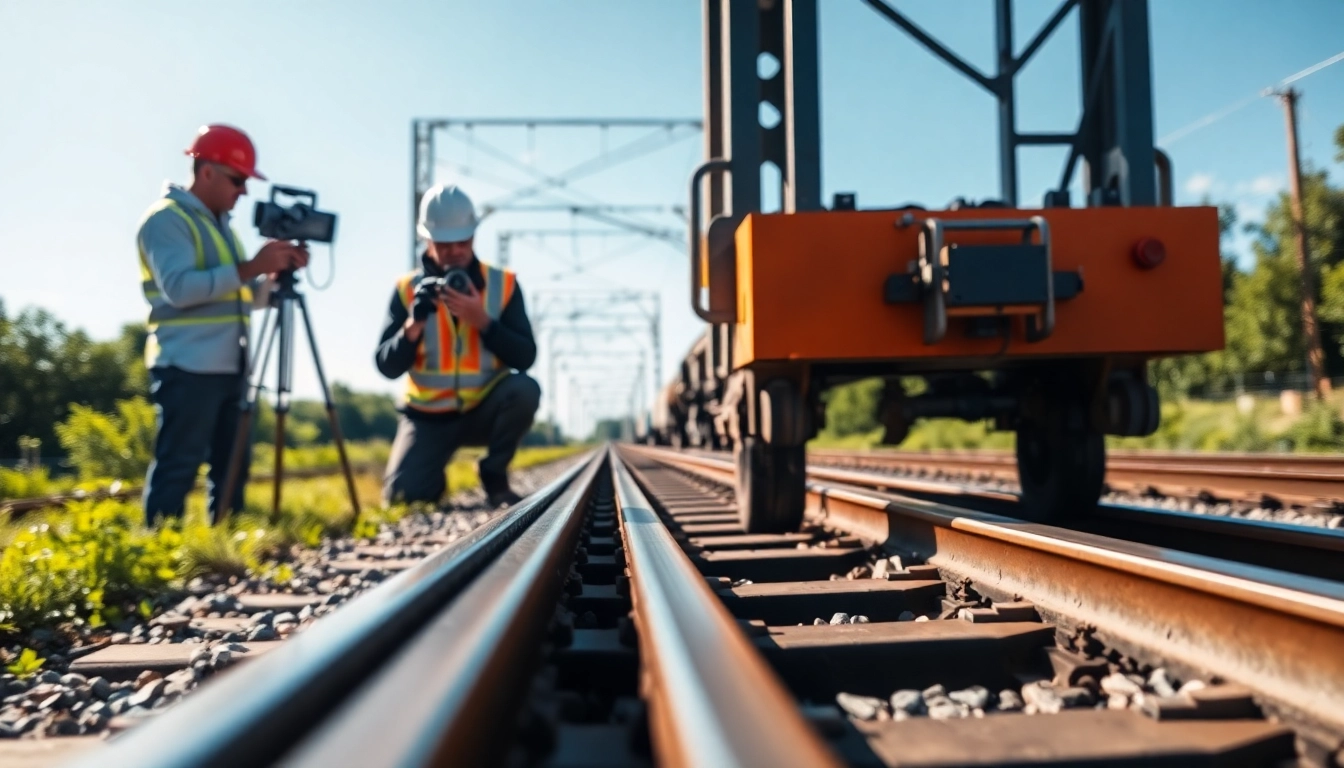
Essential Guide to Track Inpection for Enhanced Rail Safety
Understanding Track Inpection
What is Track Inpection?
Track Inpection refers to the systematic examination of rail infrastructure to identify defects and potential failures. This vital process ensures the safety and effectiveness of rail operations, safeguarding both cargo and passengers. The scope of track inspection encompasses various components, including rails, ties, ballast, and the overall track geometry. Utilizing various methods and tools, trained professionals assess conditions to mitigate risks and uphold operational standards.
Importance of Regular Track Inpection
Regular Track Inpection plays a crucial role in maintaining rail safety and operational integrity. According to the Federal Railroad Administration, track defects are among the leading causes of railway accidents. By conducting routine inspections, rail operators can identify weaknesses before they lead to significant incidents, therefore preserving life and property. Furthermore, timely detection of track issues helps in minimizing downtime and reducing repair costs, enhancing the overall efficiency of rail-based logistics.
Types of Track Inpection Methods
Track inspections can be classified broadly into visual inspections, mechanical inspections, and automated inspections. Visual inspections are performed by trained personnel, who leverage their expertise to spot visible anomalies. Mechanical inspections involve specialized equipment to conduct thorough evaluations of rail integrity. Finally, automated inspections utilize advanced technology and sensors to gather data on track conditions with minimal human intervention, improving accuracy and speed.
Track Inpection Technologies
Advanced Inspection Tools
The evolution of tools used in Track Inpection is vital to enhancing safety and efficiency. Tools such as ultrasonic testing devices enable inspectors to detect internal rail flaws that are not visible to the naked eye. Laser measurement systems provide precise data regarding track geometry, allowing for timely adjustments. Additionally, portable track profile measuring devices support inspectors in identifying deviations from safety specifications.
Automated Track Inpection Systems
Automated Track Inpection Systems (ATIS) significantly elevate operational safety and efficiency. These systems utilize high-resolution cameras and sensors mounted on inspection vehicles or drones to perform real-time evaluations of rail conditions. By capturing large amounts of data at high speeds, ATIS can identify potential issues early on. The implementation of such systems facilitates the continuous monitoring of tracks, yielding a comprehensive overview of the rail network’s health.
Integration of Data Analytics in Track Inpection
Data analytics plays an integral role in transforming the data gathered during inspections into actionable insights. By analyzing historical inspection data alongside real-time findings, rail operators can predict maintenance needs and prioritize repairs. Advanced algorithms can indicate trends and recurring issues, assisting in developing optimized maintenance schedules. This proactive approach not only enhances track safety but also improves resource allocation, ultimately leading to cost savings.
Best Practices in Conducting Track Inpection
Preparation for Effective Inpection
An effective Track Inpection begins with thorough preparation. Personnel should be equipped with the necessary tools, training, and checklists to ensure all critical elements are evaluated. Additionally, having a structured plan allows inspectors to methodically cover every aspect of the track, promoting comprehensive assessments. Safety gear should be a priority to protect inspectors during fieldwork, conducting all activities in accordance with established protocols.
Scoring and Reporting Track Conditions
After inspections, it is essential to score and report findings systematically. Developing a standardized scoring system can help categorize track conditions based on severity. This classification supports decision-making and prioritization for repairs or maintenance. Report generation should be timely and incorporate visual evidence where feasible, facilitating clear communication with stakeholders and maintenance teams.
Follow-up Actions After Inpection
Follow-up actions are critical to addressing the findings of inspections effectively. This may involve scheduling repairs, notifying the relevant maintenance teams, and conducting further testing if needed. Establishing a timeline for addressing identified issues is also vital to ensure they are dealt with promptly. Engaging in root cause analysis can help determine underlying problems, fostering a culture of continuous improvement within the rail system.
Challenges in Track Inpection
Common Issues Faced During Inpections
Track inspectors often encounter various challenges, including adverse weather conditions that may hinder visibility and accessibility. Limited access to certain segments of the track can lead to delayed inspections and unreported issues. Additionally, the complexity of rail systems means that inspectors must remain vigilant about accurately identifying defects among numerous components and configurations.
Mitigation Strategies for Track Defects
To mitigate the issues identified during inspections, operators can adopt several strategies, including optimizing training programs for inspectors to enhance detection skills. Regular maintenance schedules and the use of advanced data analytics for predictive maintenance can be pivotal. Creating a feedback loop where inspectors report findings and suggest improvements can foster a culture of proactive maintenance, reducing the likelihood of severe defects.
Regulatory Compliance and Their Impact
Regulatory compliance is paramount in the realm of Track Inpection. Guidelines established by the Federal Railroad Administration mandate certain principles for conducting inspections. Compliance not only enhances safety but also holds operators accountable to operational standards. Non-compliance can result in severe consequences, including fines and operational shutdowns, emphasizing the importance of rigorous adherence to these regulations.
Future of Track Inpection
Emerging Trends in Track Inpection
The future of Track Inpection is poised for significant changes, primarily through the integration of advanced technologies. Innovations such as drone inspections, which reduce human exposure to dangerous conditions, and machine learning algorithms that enhance data analysis abilities, are shaping the direction of the industry. Furthermore, the rising trend of IoT (Internet of Things) applications in rail systems promises improved monitoring and predictive capabilities.
The Role of AI and Machine Learning
Artificial Intelligence and machine learning are set to revolutionize Track Inpection processes. These technologies can analyze vast amounts of inspection data to predict potential failures and offer solutions based on historical patterns. Automated image recognition can enhance the speed and accuracy of defect identification, paving the way for smarter maintenance strategies that are data-driven and based on predictive analytics.
Impact of Technology on Safety and Efficiency
The advent of technology in Track Inpection is making significant strides toward enhancing rail safety and efficiency. With automated tools, inspectors can conduct thorough evaluations in less time, allowing for quick corrective actions. Improved data processing capabilities also enhance the ability of rail operators to manage their assets effectively, promoting timely maintenance and ultimately leading to a safer rail environment for everyone.
FAQs
What is the frequency of track inspections?
Track inspections are typically conducted monthly for active railways; however, higher frequencies may be required based on track conditions.
Who regulates track inspections?
The Federal Railroad Administration (FRA) regulates track inspections to ensure compliance with safety standards across the railway system.
What tools are used in track inspections?
Common tools include ultrasonic testing devices, laser measurement systems, and visual inspection equipment to identify defects.
Why is automated track inspection becoming popular?
Automated track inspection improves safety, enhances speed and accuracy of inspections, and reduces operational costs over time.
How do I become a track inspector?
Becoming a track inspector generally requires a high school diploma and experience in the railroad industry, often involving specialized training.
Contact Information
Email: [email protected]
Call Us: (855) 920 – 8722
Address: 3950 Fossil Creek Boulevard, Suite 106 Fort Worth, TX 76137