
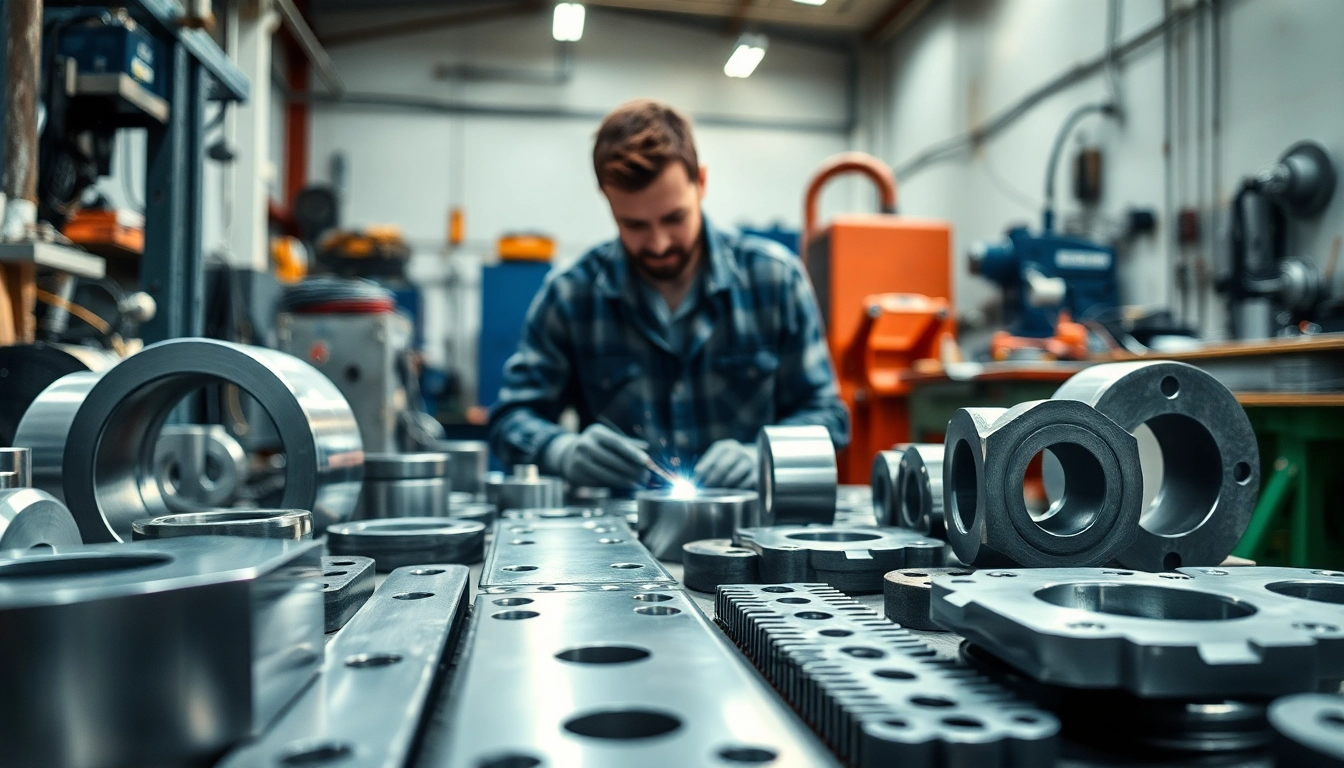
Expert Insights on Custom Metal Fabrication for Your Projects
Understanding Custom Metal Fabrication
Definition and Importance of Custom Metal Fabrication
Custom metal fabrication is a process that involves creating metal structures or components tailored to specific dimensions and requirements. Unlike standard production, custom fabrication focuses on meeting unique project specifications which may involve intricate designs and precise measurements. This process is crucial in industries ranging from construction to aerospace, where precision, durability, and functionality are paramount. The ability to create bespoke components allows businesses to optimize their operations, ensuring that every part fits perfectly into their larger systems or designs. This level of customization not only enhances performance but also elevates the aesthetic appeal of the finished product.
Common Applications in Various Industries
The versatility of custom metal fabrication means it is employed across a multitude of sectors. In construction, it facilitates the development of bespoke structural components, staircases, railings, and supports that adhere to safety and design specifications. The automotive industry leverages custom fabrications for parts that require specialized designs that enhance vehicle performance. In the aerospace sector, precision-engineered components are essential; therefore, custom metal fabrication ensures every element meets strict regulatory standards. Other applications include equipment housings in manufacturing, decorative elements in architecture, and custom fittings for HVAC systems.
Key Benefits of Choosing Custom Metal Fabrication
Choosing custom metal fabrication offers several benefits. Firstly, it provides tailored solutions that specifically address individual client needs, improving operational efficiency. Secondly, it enables the use of high-quality materials, ensuring that the final product is robust and long-lasting. Moreover, custom fabrication can lead to economic advantages; businesses often save money through reduced waste, as materials are utilized more efficiently. Finally, custom metal fabrication fosters innovation, allowing designers and engineers the flexibility to bring creative concepts to life without the limitations of standard components.
Types of Materials Used in Custom Metal Fabrication
Comparing Steel, Aluminum, and Stainless Steel
When it comes to custom metal fabrication, the choice of materials is critical. Steel is favored for its strength and durability, making it ideal for structural components. However, it is prone to corrosion unless treated. On the other hand, aluminum is lightweight, resistant to corrosion, and easy to work with, which is why it’s commonly used in the automotive and aerospace industries. Stainless steel combines the best of both worlds—offering strength akin to steel while being resistant to rust and staining. Each material has its advantages and drawbacks, which should be carefully considered during the planning phase.
Benefits of Using Specialized Alloys
Specialized alloys are engineered for specific applications, providing unique benefits not found in standard metals. These alloys can be tailored to include properties such as increased heat resistance, enhanced corrosion resistance, or improved machinability. For example, Inconel is a high-performance alloy commonly used in extreme environments, while titanium alloys are favored in aerospace applications for their strength-to-weight ratio. Utilizing specialized alloys can greatly improve the performance and longevity of the custom-fabricated product.
Choosing the Right Material for Your Project
Choosing the right material for a custom metal fabrication project involves analyzing various factors such as the end-use application, environmental conditions, and budget. Start by assessing the mechanical requirements, such as strength and load-bearing capacity, and consider the potential environmental impacts, including exposure to chemicals or extreme temperatures. Budget constraints will also play a role, as some materials and processes may incur higher production costs. Engaging with a knowledgeable fabricator can provide insights and recommendations based on their expertise and past projects.
Processes Involved in Custom Metal Fabrication
Cutting, Bending, and Welding Techniques
The fabrication process typically begins with cutting, which can be accomplished through various methods such as laser cutting, plasma cutting, or waterjet cutting. Each method has its pros and cons, often dictated by the material and the thickness required. Once the pieces are cut, bending is performed to achieve the desired shapes and angles. This process utilizes techniques like press braking and roll bending to comply with design specifications. Finally, welding joins the components together, where precision and skill are required to ensure strong, clean seams.
The Role of CNC Machining in Precision Fabrication
CNC (Computer Numerical Control) machining plays a vital role in custom metal fabrication by allowing for high precision and repeatability in cuts and shapes. CNC machines utilize computer programs to dictate the movements of tools, resulting in meticulous fabrication processes that would be challenging to replicate manually. This technology significantly reduces waste and enhances productivity, making it a popular choice for projects requiring intricate designs or exact tolerances.
Quality Control Measures in the Fabrication Process
Ensuring quality throughout the fabrication process is paramount. Implementing robust quality control measures includes regular checks at various stages, from material inspections upon delivery to in-process inspections and final product evaluations. Techniques such as non-destructive testing (NDT) help identify any issues without damaging the product, while adherence to industry standards and certifications ensures that the fabrication meets or exceeds expected quality markers. Maintaining rigorous quality control not only increases the integrity of the final product but also builds trust with clients.
Cost Factors in Custom Metal Fabrication
Understanding Pricing Models and Quotes
The cost of custom metal fabrication can vary widely based on several factors, including material type, complexity of the design, and production volume. Generally, pricing models can be based on labor costs, machine time, and materials used. Manufacturers often provide detailed quotes that outline these aspects, helping clients understand what they are paying for. It is essential for businesses to request multiple quotes and understand the breakdown, as this knowledge helps in making informed budgeting decisions.
Why Customization Affects Costs
Customization inherently affects costs due to the additional labor and time required to create tailored pieces versus standard production runs. Complex designs may require specialized machinery or middleware, contributing to higher costs. Moreover, more intricate projects may necessitate skilled labor, further increasing expenses. Understanding this aspect is critical for clients to set realistic budgets. Engaging in early conversations with fabricators about potential design modifications can help streamline the project and keep costs manageable.
Managing Budgeting for Your Metal Fabrication Projects
Effective budgeting for custom metal fabrication projects requires a clear plan and open communication with the fabricator. Begin by laying out a comprehensive project timeline that aligns with your financial schedule. Always account for potential overruns or unexpected costs that arise from design changes or material availability. Allocating a buffer in your budget can accommodate these situations without derailing the project. Lastly, maintaining regular check-ins and updates with your fabricator ensures that both sides are aligned on timelines and expenses, emphasizing transparency and collaboration.
Selecting the Right Custom Metal Fabrication Partner
Identifying Skillsets and Experience Needed
Selecting the right custom metal fabrication partner should begin with assessing the skillsets and experiences relevant to your specific project needs. Evaluate potential partners based on their proficiency with the materials and techniques pertinent to your project. Look for fabricators who not only have the necessary technical skills but also industry experience that enhances their understanding of the challenges and impacts of your project. Consider consulting with past clients to gauge their satisfaction with the fabricator’s performance.
Evaluating Portfolios and Previous Work
A comprehensive review of a fabricator’s portfolio is an essential step in the selection process. It provides insights into their capabilities, quality of workmanship, and the range of projects they have undertaken. Pay attention to similar projects to your own, noting the complexity and outcomes. Testimonials and case studies offer further context and evidence of reliability, reinforcing the fabricator’s expertise.
Steps to Establish a Productive Partnership
Establishing a productive partnership with a custom metal fabrication service hinges on a foundation of clear communication and mutual respect. Start with an introductory meeting to discuss project goals, expectations, and timelines. Ensure that both parties align on the objectives at each stage of the project, keeping channels open for ongoing dialogue. Building rapport can lead to enhanced collaboration and innovation, ultimately resulting in a successful partnership.
FAQs about Custom Metal Fabrication
1. What is custom metal fabrication?
Custom metal fabrication is the process of creating metal components tailored to specific requirements using various techniques such as cutting, bending, and welding. It allows for unique designs and applications across different industries.
2. How much does custom metal fabrication cost?
The cost of custom metal fabrication varies based on factors such as material type, complexity of the design, and production volume. Average costs usually range from a few hundred to several thousand dollars depending on project specifics.
3. What materials are commonly used in custom metal fabrication?
Common materials include steel, aluminum, and stainless steel. Specialized alloys are also used for specific applications that require unique properties, such as heat resistance or enhanced strength.
4. How long does the fabrication process take?
The time required for the fabrication process can vary significantly based on project complexity and size. Simple projects may take a few days, while more complex designs can take several weeks to complete.
5. How do I choose the right fabrication partner?
Select a fabrication partner by evaluating their experience, skillsets, and portfolio. Look for industry familiarity and a strong track record in handling projects similar to yours to ensure reliability and quality in the final product.
Contact Information
Call Us: 780-955-3999
Email: [email protected]
Address: 1204 8 St, Nisku, AB T9E 7M1