
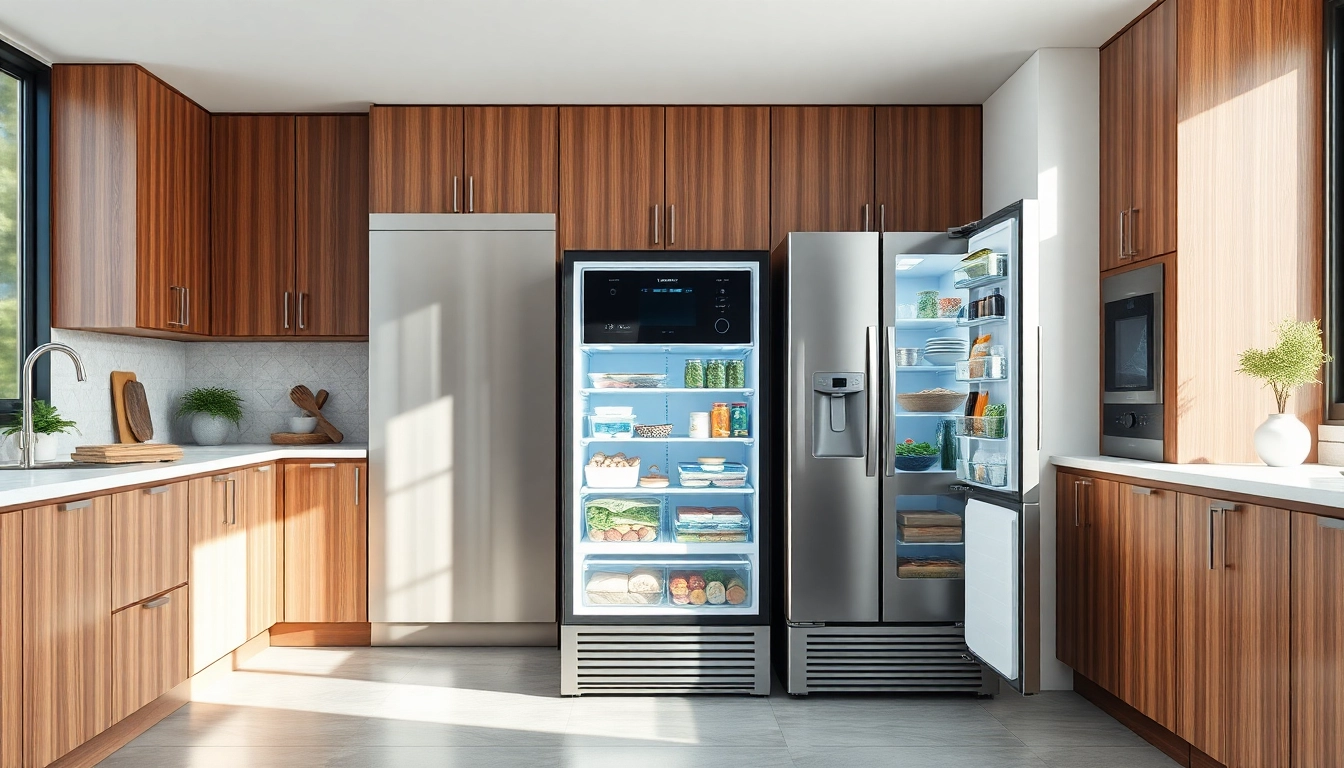
Maximizing Efficiency: The Perfect Freezer for Your Home
Understanding the Types of Freezer
When it comes to food preservation, choosing the right type of Freezer can significantly impact both convenience and efficiency. Freezers come in various types and configurations, each suited for different storage needs and spaces. Understanding these types allows you to make an informed choice based on your lifestyle and dietary habits, ensuring optimal functionality for your household.
Upright vs Chest Freezer: Which to Choose?
Two prevalent types of freezers are upright freezers and chest freezers. Each has its unique advantages and drawbacks, affecting how they fit into your home and usage patterns.
- Upright Freezers: These options resemble standard refrigerators, offering a vertical design that saves floor space. They typically come with adjustable shelves and easy-to-access compartments, making organization simple. However, upright freezers are usually more expensive and less energy-efficient than their chest counterparts.
- Chest Freezers: Chest freezers are much larger and generally more energy-efficient. They have a horizontal design, which allows for more storage capacity. They excel in keeping food colder for longer during power outages, but they can be harder to organize, as you might need to dig through items to find what you’re looking for.
The choice between these two often hinges on your available space, budget, and personal preference for organization. Consider how frequently you access the freezer and the type of foods you plan to store.
Energy-Efficient Freezers: What You Need to Know
Energy efficiency is an essential consideration when selecting a freezer. Energy-efficient models consume less electricity, reducing both your bills and your carbon footprint. When shopping for an energy-efficient Freezer, look for the Energy Star label. These models are required to meet strict energy efficiency guidelines set by the EPA.
Additionally, you should consider the size and insulation of the freezer. A unit with better insulation will maintain temperature more effectively, resulting in savings over time. Also, check for modern features such as automatic defrost and digital controls that can optimize energy usage.
Compact Freezer Options for Small Spaces
For those living in apartments, dorms, or smaller homes, a compact freezer can be a fantastic option. These machines typically provide sufficient storage for essential items while taking up minimal space. Compact models range from small cube-style freezers that fit under counters to slightly larger units that can be placed in a garage or basement.
When evaluating compact freezers, pay attention to capacity, energy efficiency ratings, and any additional features like adjustable shelves. Keep in mind that even a compact freezer should maintain a temperature of 0°F (-18°C) for food safety. Additionally, ensure you have the appropriate electrical outlets and ventilation for the unit, as it will require some space around it for optimal performance.
Choosing the Right Size Freezer
Choosing the appropriate size freezer is crucial to ensuring you have enough storage for your food without overwhelming your space. Here are some key considerations that should influence your decision.
Assessing Your Storage Needs
Your specific storage needs are the foundation for selecting the right freezer size. Consider the types of food you typically store and how often you plan to go grocery shopping. Families who frequently buy in bulk or like to stock up on sale items may opt for larger models, while individuals or couples might find smaller units sufficient.
To assess your needs, keep a food inventory for a week. Include items you consume regularly, accounting for the volume of meat, bread, and frozen vegetables you typically use. This inventory will provide clarity on the necessary capacity of your freezer.
Space Considerations for Your Freezer
Moreover, understanding your available space is a vital part of your decision-making process. Measure the area where you plan to install your freezer, including height, width, and depth, to ensure it will fit comfortably. Additionally, consider the need for clearance around the unit for proper air circulation, as well as proximity to power sources and potential hazards like heat sources.
Benefits of Larger Freezers for Bulk Storage
Larger freezers offer distinct advantages, especially for those who buy food in bulk. They allow for extensive storage space for meats, ready-made meals, and seasonal items like fruits or vegetables. This capability can lead to reduced grocery expenses over time, as purchasing in bulk often comes with discounts.
Moreover, a larger freezer can also help with meal prepping, allowing you to cook larger batches of food at once and freeze portions for later use. This practice not only saves time on meal preparation but also minimizes food waste, perfect for a busy family or individual.
Features to Look for in a Freezer
Not all freezers are created equal, and various features can enhance usability and convenience. When investing in a freezer, consider incorporating these essential features into your decision-making process.
Temperature Control and Management
Effective temperature control is crucial for any freezer. Look for models with precise temperature settings and adjustable controls. Some freezers come equipped with digital displays that allow for easy monitoring of internal temperatures, ensuring optimal food preservation.
Moreover, certain models may feature quick freezing options, which can be beneficial for rapidly freezing fresh foods, preventing freezer burn, and maintaining quality.
Freezer Technology: Manual vs Automatic Defrost
Defrosting is another key feature to consider. Freezers can either have manual or automatic defrosting capabilities. Manual defrost models require you to remove all items and periodically defrost to maintain their performance. In contrast, automatic defrost-freezers handle this process for you, melting frost build-up to keep the unit operating efficiently without manual intervention.
While automatic defrost models tend to be more convenient, they are often pricier than manual defrost models. Weigh your priorities—if convenience is paramount, then an automatic option might suit you better.
Smart Features: Are They Worth It?
In today’s tech-driven world, many freezers come equipped with smart features, such as Wi-Fi connectivity, allowing you to monitor and adjust settings remotely using your smartphone. While these features can be convenient, it’s essential to evaluate their value based on your lifestyle.
Smart technology can notify you of temperature changes or door open alerts, but consider whether these features justify the cost for your needs. If tech integration is important to you and enhances usability, then these smart capabilities could be worthwhile investments.
Maintaining Your Freezer
A well-maintained freezer not only extends the lifespan of the appliance but also ensures food quality and safety. Here are essential maintenance tips that every homeowner should know.
Essential Cleaning Tips for Optimal Performance
Routine cleaning is vital for the functioning of your freezer. Begin by unplugging the unit and emptying it completely. Clean all surfaces with a solution of warm water and mild detergent. Ensure you check the door seals and hinges for any buildup, which can compromise temperature control.
To prevent the growth of bacteria and odor buildup, make sure you also clean the interior and discard expired items regularly. It’s good practice to perform a thorough cleaning every three months to keep your freezer running efficiently.
How to Organize Your Freezer Efficiently
Effective organization enhances accessibility and helps you keep track of the items stored within your freezer. Utilize clear bins to categorize different food types, such as meats, vegetables, and pre-prepared meals. Label everything clearly and rotate stock, placing older items at the front.
Consider using a quick reference chart inside the freezer door detailing the contents and dates of frozen food. This simple tool can significantly reduce waste and streamline meal planning.
Signs Your Freezer Needs Repairing
Identifying when your freezer requires servicing is essential for maintaining performance and food safety. Common signs include a sudden rise in temperature, excessive frost buildup, strange noises, or leaking water.
If you notice any of these issues, it’s crucial to address them promptly. Sometimes small repairs can return your freezer to optimal performance. However, if problems persist, it might be time to consult a professional technician for a thorough evaluation.
Common Freezer Problems and Solutions
Understanding common freezer problems empowers owners to troubleshoot effectively, potentially saving both time and money. Here are some prevalent issues and their viable solutions.
Freezer Not Cooling: Troubleshooting Steps
If your freezer is not cooling properly, first check the power supply—ensure that the appliance is plugged in and that the circuit breaker hasn’t tripped. Next, verify that the temperature settings are correct. If the issue persists, inspect the door seals for damage that could be allowing warm air to enter.
Another possible cause is the condenser coils, located on the back or beneath the freezer, being dirty. Cleaning these coils can improve efficiency substantially. If you’ve tried these steps and the freezer remains warm, professional servicing may be required.
Dealing with Frost Buildup
Frost buildup can hinder your freezer’s performance, leading to inefficient operation. To address this, first defrost the appliance. You can expedite the process by placing a bowl of hot water inside to raise the interior temperature. Ensure to avoid using sharp objects to scrape ice, as this could damage the unit.
Once defrosted, clean the interior, and check the door seals to prevent future frost accumulation. If excessive frost persists, the issue may lie with temperature settings or evaporator fan malfunctions that require servicing.
When to Call a Professional for Freezer Issues
Some freezer issues are best left to professionals, especially if they involve electrical components or complex mechanics. If you notice persistent malfunctioning, strange noises, or extensive frost buildup that you can’t seem to resolve, it’s time to call a technician.
Professional assessment can reveal underlying issues that may not be immediately visible, helping you avoid future costly repairs.
FAQs
What should I store in my Freezer?
Store items like meats, vegetables, frozen meals, and ice creams in your Freezer to minimize waste and enjoy longer shelf life.
How long can food last in a Freezer?
Food can typically last from three to twelve months in a Freezer, depending on the type. For best quality, check specific item guidelines.
What temperature should my Freezer be set to?
Set your Freezer at 0°F (-18°C) for optimal food preservation and safety.
How often should I defrost my Freezer?
Defrost your Freezer when frost buildup exceeds a quarter of an inch to maintain efficiency.
Can a Freezer help reduce food waste?
Yes, by freezing items you don’t use immediately, you can minimize food spoilage and waste effectively.