
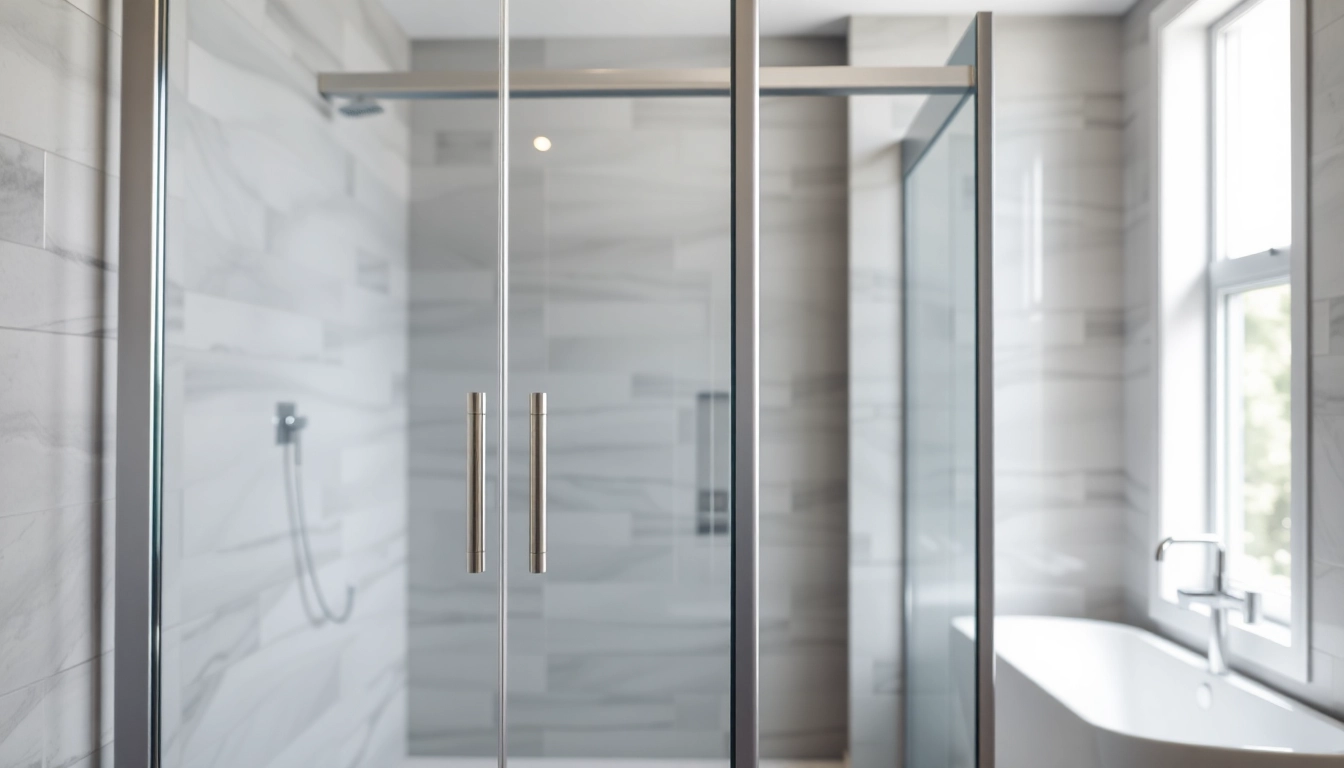
Enhancing Your Bathroom with Stylish Sliding Shower Doors
Understanding Sliding Shower Doors
What Are Sliding Shower Doors?
Sliding shower doors offer a modern and aesthetically pleasing alternative to traditional hinged shower doors. These doors glide smoothly along a track, providing easy access to your showering space while minimizing the footprint required to open them. By eliminating the need for swinging outward, they are especially advantageous in smaller bathrooms, allowing for more room and a less obstructed view. For those considering an upgrade, sliding shower doors can transform your bathing area into a stylish retreat.
Types of Sliding Shower Doors
When selecting sliding shower doors, understanding the different types available can help tailor your choice to your specific needs and preferences:
- Framed Sliding Doors: These doors are encased in a frame, offering durability and support. The framing material can vary, often made from aluminum or stainless steel, which helps to resist moisture and corrosion.
- Frameless Sliding Doors: Featuring a sleek, minimalist design, frameless doors rely on heavy glass panels and may or may not include a base track. Their elegant look enhances the feeling of openness in the bathroom.
- Bi-Fold Sliding Doors: These doors fold in half, allowing for wider entry into the shower space without requiring additional room to swing open.
- Single vs. Double Sliding Doors: Single sliding doors consist of one panel that slides, while double sliding doors feature two panels, enabling access from both sides.
Benefits of Sliding Shower Doors
Opting for sliding shower doors comes with an array of benefits:
- Space-Efficient: Sliding doors are ideal for smaller bathrooms where traditional swinging doors may limit mobility.
- Stylish Appearance: They provide a contemporary look that can greatly enhance the aesthetic appeal of your bathroom.
- Ease of Use: The smooth gliding operation makes entering and exiting the shower hassle-free, even for children or those with mobility challenges.
- Reduced Water Spillage: When properly sealed, sliding doors can better contain water compared to traditional doors, reducing the risk of slippery floors.
- Customization Options: Available in various styles, colors, and materials, these doors can be adapted to fit any design scheme.
Choosing the Right Sliding Shower Doors
Material Considerations
When selecting sliding shower doors, the material plays a critical role in both functionality and appearance. Common materials include:
- Glass: Clear, frosted, and patterned glass options enhance privacy and style. Toughened safety glass is recommended for durability.
- Aluminum: Lightweight yet strong, aluminum frames can resist rust and corrosion, making them suitable for wet environments.
- Vinyl: Less common, vinyl can offer a cost-effective alternative but may not have the longevity or sturdiness of glass or aluminum.
Size and Dimensions
Choosing the right size for your sliding shower doors is crucial for both aesthetic balance and functionality. Consider measuring the following:
- Shower Opening Width: Measure the width of the shower opening to ensure proper fit. Standard widths range from 48 inches to 60 inches.
- Height: Typically, sliding shower doors come in standard heights of 72 inches and 76 inches; however, custom sizes are also available.
- Track and Clearance: Ensure there is enough ceiling clearance for the track system and that it complements your bathroom’s overall design.
Design Styles
The design of sliding shower doors can complement your bathroom’s aesthetic, from ultra-modern to classic styles:
- Contemporary: Ideal for modern bathrooms, these styles often feature frameless designs with clean lines.
- Traditional: Framed doors with ornamental details can add a classic touch and suit more traditional design themes.
- Minimalist: Simple, uncomplicated designs focus on functionality and open space, promoting a serene environment.
Installation Tips for Sliding Shower Doors
Preparing Your Space
Before diving into the installation, ensure the surrounding area is ready:
- Clear the Area: Remove any old shower doors, hardware, and debris to create a safe working environment.
- Check for Level: Use a level to ensure that both the wall and shower base are perfectly straight. Adjustments may be needed before installation.
- Gather Necessary Tools: Tools such as a drill, level, measuring tape, and screwdrivers will be essential for a successful installation.
Step-by-Step Installation Guide
Installing sliding shower doors can be a manageable DIY project. Follow these steps for efficient installation:
- Attach the Bottom Track: Secure the bottom track to the shower base where the doors will slide. Ensure it is level.
- Install the Side Tracks: Fix the side tracks against the wall, ensuring proper alignment with the bottom track.
- Hang the Doors: Slide the rollers into the top track and gently lift the doors into place on the bottom track.
- Seal and Adjust: Apply silicone caulk to water-tight areas and make necessary adjustments to the door alignment.
Common Installation Mistakes
Avoiding common mistakes can save time and ensure a successful installation:
- Incorrect Measurements: Always double-check measurements before cutting materials or installing tracks.
- Poor Sealing: Inadequate sealing can lead to water leakage, so ensure that all edges are well-caulked.
- Failure to Level: Not leveling the tracks can cause doors to stick or behave erratically.
Maintenance of Sliding Shower Doors
Cleaning Techniques
Regular cleaning maintains the beauty and functionality of sliding shower doors. Here are effective cleaning methods:
- Glass Cleaner: Use a non-abrasive glass cleaner and microfiber cloth to prevent streaking and scratching.
- Vinegar Solution: A mixture of equal parts vinegar and water can effectively remove soap scum and hard water stains.
- Routine Maintenance: Clean the tracks regularly to prevent buildup of dirt and debris that can obstruct the sliding mechanism.
Preventing Damage
Taking proactive measures can significantly extend the lifespan of your sliding shower doors:
- Avoid Harsh Chemicals: Strong cleaners can damage glass and metal finishes, so stick to gentle formulations.
- Monitor for Wear: Regularly check rubber seals and rollers for signs of wear. Replace any faulty parts promptly.
- Prevent Impact: Be cautious with sharp or heavy items that can risk breaking the glass or damaging the frames.
When to Seek Professional Help
While many homeowners can tackle sliding shower door installation on their own, certain situations warrant professional assistance:
- Complex Installations: If your shower design is unconventional or requires extensive modifications, professional help is advised.
- Repairs: Damaged glass panels or frames often need specialized repair or replacement services to ensure safety.
- Time Constraints: If your schedule is tight, hiring a professional can save you time and ensure a proper installation.
Frequently Asked Questions About Sliding Shower Doors
Are sliding shower doors suitable for small bathrooms?
Yes, sliding shower doors are an excellent option for small bathrooms as they save space by sliding open rather than swinging out, maximizing usable area.
What maintenance is required for glass sliding shower doors?
Regular cleaning with gentle, non-abrasive cleaners is essential. Additionally, inspect the tracks and seals for dirt buildup or wear.
Can I install sliding shower doors myself?
Yes, with careful measurements and following a step-by-step guide, many people can successfully install sliding shower doors themselves.
How do I choose the right size for my sliding shower doors?
Measure the width and height of your shower opening, accounting for the track system and any wall irregularities to ensure a proper fit.
What are the benefits of frameless sliding shower doors?
Frameless sliding shower doors offer a modern look, are easier to clean, provide a sense of space, and can enhance the overall aesthetic of the bathroom.