
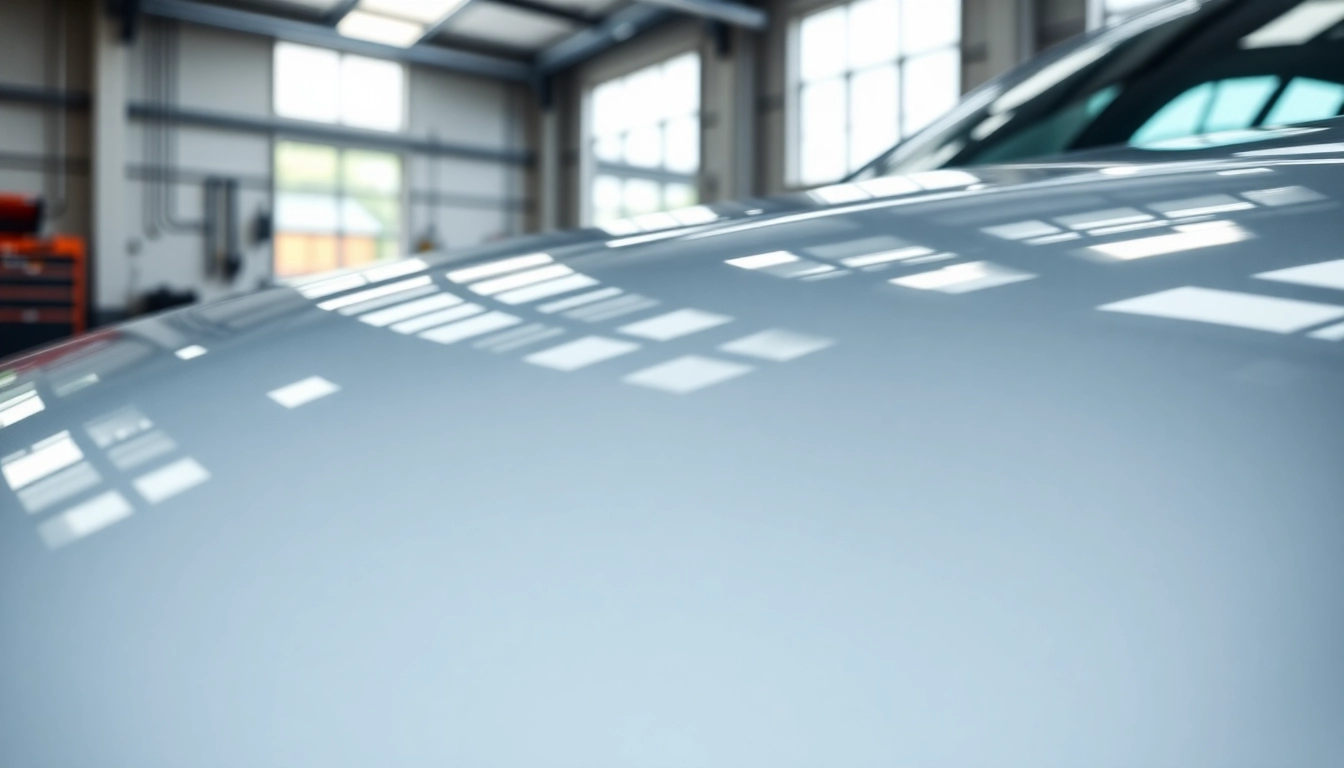
Enhancing Automotive Longevity with Salt Protection Ceramic Coating
Understanding Salt Protection Ceramic Coating
What is Salt Protection Ceramic Coating?
Salt protection ceramic coating is a specialized vehicle protective layer designed to shield your car’s paint from corrosive salt, often found on roadways during winter seasons. This advanced coating forms a durable and hydrophobic layer that repels water, dirt, and grime while significantly mitigating the risks associated with salt exposure. Unlike traditional waxes and sealants, which wear off over time, salt protection ceramic coatings bond chemically with your vehicle’s paint, providing long-lasting protection, usually ranging between two to five years. If you’re interested in directing your attention to a comprehensive solution, the salt protection ceramic coating truly stands out in maintaining your vehicle’s aesthetics and integrity.
Benefits of Salt Protection Ceramic Coating
There are numerous benefits to applying a salt protection ceramic coating to your vehicle. Firstly, it offers exceptional protection against salt, preventing oxidation and rust formation, which can deteriorate vehicles quickly. It also enhances the vehicle’s shine and appearance, ensuring that it looks clean and new for much longer. The hydrophobic nature of the coating helps repel water and other contaminants, making cleaning significantly easier. Additionally, many salt protection ceramic coatings feature UV blockers that protect against the sun’s harmful rays, reducing fading and damage over time. Finally, this protective layer can increase the resale value of your vehicle, as potential buyers appreciate the added layer of care and preservation.
How Salt Protection Ceramic Coating Works
The effectiveness of salt protection ceramic coating lies in its unique chemical structure. Made up of nano-ceramic particles, this coating fills the microscopic pores and imperfections in your car’s paint, creating a smooth, glossy surface. This not only enhances the vehicle’s appearance but also effectively blocks salt and other contaminants from adhering to the paint surface. When road salt comes in contact with this protective layer, it is repelled rather than absorbed, thus preventing the usual degradation associated with traditional protection methods. Additionally, the ceramic coating’s inherent hardness makes it resistant to minor scratches and swirls, further preserving your vehicle’s exterior.
Preparing Your Vehicle for Salt Protection Ceramic Coating
Cleaning and Detailing Your Vehicle
Preparation is crucial for the successful application of salt protection ceramic coating. Begin with a thorough cleaning and detailing of your vehicle. This includes washing the exterior with a pH-balanced car soap, which removes dirt and contaminants that could interfere with the coating’s bond. It’s important to pay extra attention to areas prone to salt accumulation, such as wheel wells and undercarriage. Consider using a clay bar to eliminate any embedded dirt and contaminants that washing alone might miss. Following cleaning, a thorough drying process is essential, as any remaining water can prevent the coating from adhering properly.
Assessing Surface Damage
Before applying the salt protection ceramic coating, it’s vital to assess the surface condition of your vehicle. Inspection should focus on identifying any scratches, swirls, or paint imperfections. If present, these should be addressed through paint correction techniques to ensure the best finish possible after application. Paint correction can involve compounds or polishes that restore the surface to a near-perfect state, allowing the coating to enhance the shine rather than merely covering blemishes.
Choosing the Right Conditions for Application
The environment in which you apply the salt protection ceramic coating is critical. Optimal conditions are a clean, dry space with controlled temperature and humidity. Avoid direct sunlight, as UV rays can cure the coating too quickly, resulting in adhesion issues. Ideally, the temperature should range between 50°F and 80°F (10°C to 27°C) with relative humidity levels below 70%. Ensure the application area is free from dust and contaminants to prevent any imperfections in the coating process.
Application Process for Salt Protection Ceramic Coating
Step-by-Step Guide to Application
- Clean and dry the vehicle thoroughly.
- Inspect the paint surface for imperfections and perform paint correction as necessary.
- Set up your work area in climate-controlled conditions.
- Wearing gloves, apply the ceramic coating using an applicator pad, beginning with one section at a time.
- Spread the coating evenly in a cross-hatch motion to ensure full coverage.
- Allow the coating to set according to the manufacturer’s instructions before buffing it off with a microfiber towel.
- Repeat for each section of the vehicle.
- Finish by applying a topcoat or booster, if recommended, to enhance durability.
- Allow the coating to cure completely for the manufacturer-specified time before exposing it to the elements.
Tools and Materials Needed
To successfully apply salt protection ceramic coating, gather the following tools and materials:
- pH-balanced car soap
- Clay bar and lubricant
- Microfiber towels
- Applicator pads
- Detailing polish or compound for paint correction
- Water source and drying tools (like a blower or microfiber drying cloth)
- Salt protection ceramic coating product
- Protective gear (gloves and mask)
Common Mistakes to Avoid
Several mistakes can compromise the effectiveness of the salt protection ceramic coating. One common error is inadequate surface preparation; failing to fully clean and correct imperfections can lead to the coating not adhering properly. Applying the coating in unfavorable conditions can also lead to poor results, as temperature and humidity significantly affect the curing process. Additionally, using insufficient product can lead to patchy coverage. Make sure to follow manufacturer guidelines meticulously to avoid these pitfalls.
Maintaining Your Salt Protection Ceramic Coating
Routine Care and Maintenance Tips
Proper maintenance of your salt protection ceramic coating is essential to prolong its lifespan and effectiveness. Regular washing with a pH-balanced soap will help maintain the hydrophobic qualities of the coating. Avoid using abrasive sponges or brushes that can scratch the coating. It’s also important to apply ceramic coating maintenance products as recommended, which can replenish the coating’s protective qualities and enhance its appearance. Additionally, storing the vehicle indoors and avoiding parking near trees or areas where salt is prevalent can help minimize potential damage.
Signs Your Coating Needs Reapplication
Over time, even the best coatings may require reapplication. Signs that your salt protection ceramic coating is wearing include a noticeable decrease in hydrophobic properties, where water no longer beads and rolls off the surface. If dirt and grime seem to adhere more strongly, it may indicate that the coating is failing. You may also notice a dull appearance compared to how it looked once applied. If any of these characteristics become evident, it’s time to consider reapplying the coating.
Protecting Against Environmental Damage
While salt protection ceramic coatings are robust, they still require vigilance against environmental threats. Elements such as bird droppings, tree sap, and UV rays can damage the coating over time. Regularly inspect your vehicle for any signs of damage from these elements and clean them off promptly to prevent etching. Additionally, consider investing in a vehicle cover if stored outdoors or frequent outdoor exposure, as this adds an extra cushion of protection against the elements. Understanding these factors allows you to ensure the longevity and effectiveness of your coating.
Frequently Asked Questions About Salt Protection Ceramic Coating
How long does salt protection ceramic coating last?
The lifespan of salt protection ceramic coating typically ranges from 2 to 5 years, depending on usage and maintenance.
Is salt protection ceramic coating scratch-resistant?
While it enhances resistance to scratches, it’s not completely scratch-proof. Care should still be taken with abrasive objects.
Can I apply salt protection ceramic coating myself?
Applying it yourself is possible but requires preparation and knowledge for best results; professional application is recommended.
Will the coating protect against UV damage?
Yes, salt protection ceramic coatings provide excellent UV defense, preventing sun damage and fading to your vehicle’s paint.
How do I wash a vehicle with salt protection ceramic coating?
Use pH-balanced car soap and avoid abrasive materials. Regular washing helps to maintain the coating’s protective properties.