
Enhance Your Vehicle’s Resilience with Salt Protection Ceramic Coating
Understanding Salt Protection Ceramic Coating
What is Salt Protection Ceramic Coating?
Salt protection ceramic coating is a state-of-the-art liquid polymer applied to the exterior surfaces of vehicles. When cured, it forms a semi-permanent bond with the vehicle’s paint, providing a robust protective layer. This advanced form of paint protection is especially crucial in regions where salt is used on roads during winter months. The corrosive nature of salt can wreak havoc on vehicle exteriors. The formulation of salt protection ceramic coating not only guards against these corrosive elements but also enhances the overall aesthetic of the vehicle.
Benefits of Salt Protection Ceramic Coating
Investing in salt protection ceramic coating offers numerous advantages that go beyond mere cosmetic appeal. Some of the primary benefits include:
- Corrosion Resistance: The coating forms a protective layer, preventing salt and other corrosive materials from damaging the underlying paint.
- Hydrophobic Properties: Salt protection ceramic coatings repel water, causing it to bead off the surface, which helps in reducing water spots and cleaning time.
- UV Protection: The coating defends against harmful UV rays that can fade paint over time, preserving the vehicle’s shine.
- Enhanced Gloss: It provides an impressive shine, making the vehicle look newer for longer.
- Long-lasting Protection: Unlike traditional waxes, ceramic coatings can last several years with proper maintenance.
How It Works to Protect Your Vehicle
The chemistry behind salt protection ceramic coatings is fascinating. These coatings are typically made up of silica dioxide (SiO₂), which, when applied to a vehicle, forms a cross-linking structure that is extraordinarily durable. This process results in a surface that is not only smooth but also provides a hard barrier against pollutants such as salt, acid rain, and even tree sap.
When salt comes into contact with the vehicle’s surface, the protective layer acts as a shield, preventing the salt from reaching the paint. The hydrophobic nature of the coating means that water and salts will bead up and roll off, minimizing the time they spend in contact with the paint. This durability is why salt protection ceramic coating is highly valued among vehicle owners in salt-prone regions.
Application Process of Salt Protection Ceramic Coating
Preparing Your Vehicle for Coating
Preparation is key to an effective application of salt protection ceramic coating. Here are the essential steps to ensure your vehicle is primed for the coating:
- Thorough Wash: Start with a detailed wash of the vehicle using pH-neutral soap to remove dirt, grime, and existing contaminants.
- Clay Bar Treatment: Use a clay bar to eliminate embedded dirt and contaminants that washing alone cannot remove. This ensures a smooth surface for the coating.
- Polishing (If Necessary): If the paint has swirl marks or scratches, polish the surface to restore its clarity before application.
- Degreasing: Wipe down the surface with an isopropyl alcohol solution to remove any oils or residues that could hinder bonding.
Step-by-Step Application Guide
Applying salt protection ceramic coating involves several steps to ensure its effectiveness:
- Sectioning: Divide the vehicle into manageable sections to ensure thorough coverage without the coating curing before application.
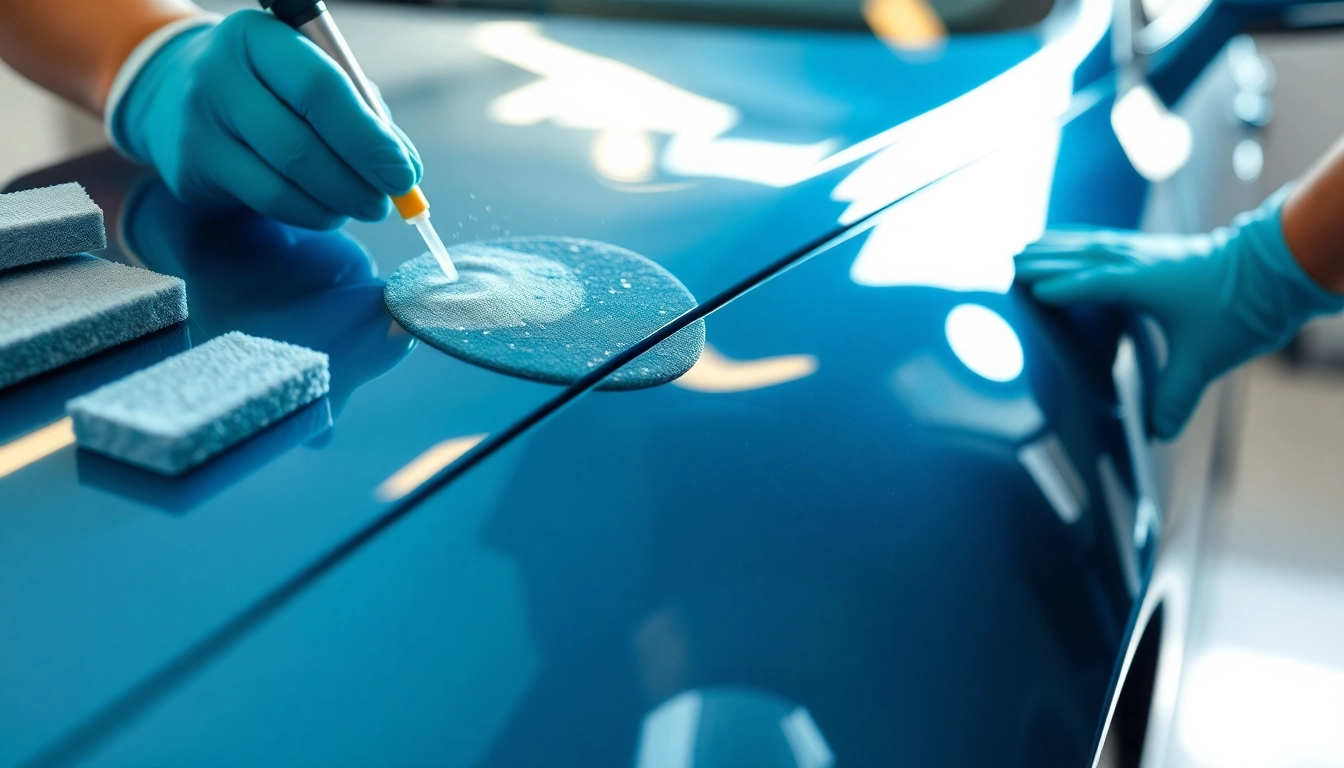
- Coating Application: Using an applicator pad, apply a small amount of coating to the surface in a cross-hatch pattern, ensuring even coverage.
- Curing Time: Allow the coating to cure according to the manufacturer’s recommendations, which may vary by product.
- Buffing: After the coating has cured, buff the area with a microfiber towel to enhance gloss and remove any excess product.
- Repeat: Repeat the process for each section of the vehicle until the entire vehicle is coated.
Common Mistakes to Avoid During Application
While applying a salt protection ceramic coating, several mistakes can compromise the effectiveness of the product:
- Skipping Preparation: Neglecting proper cleaning and preparation leads to poor adhesion and subpar results.
- Working in Direct Sunlight: Heat can cause the coating to cure too quickly, leading to uneven application; choose a shaded area for application.
- Overlapping Coating: Applying too much product in overlapping areas can result in streaks and uneven surfaces.
- Ignoring Curing Times: Rushing the drying process may lead to contamination before the coating has fully established.
- Inadequate Ventilation: Ensure good airflow during application to prevent fumes from lingering, which can interfere with the application process.
Maintenance Tips for Salt Protection Ceramic Coating
Cleansing Techniques for Longevity
To maximize the lifespan of your salt protection ceramic coating, consider these cleansing techniques:
- Regular Washing: Use a pH-neutral shampoo and wash the vehicle every 2-4 weeks to prevent buildup of dirt and contaminants.
- Two-Bucket Method: Employ this method—one bucket for soapy water and another for rinsing—to minimize scratches.
- Avoid Automatic Car Washes: Resist machine washes that can strip the coating; hand washing is gentler.
Recommended Cleaning Products
Using the right products is essential for maintaining the integrity of your ceramic coating. Here are some recommendations:
- pH-Neutral Car Soap: Look for biodegradable soaps that won’t degrade the coating.
- Microfiber Towels: These are essential for drying and buffing without scratching the surface.
- Detailing Spray: Use a spray specifically designed for ceramic coatings to boost shine between washes.
Signs You Need to Reapply the Coating
Knowing when to reapply your salt protection ceramic coating can ensure continuous protection:
- Loss of Beading Effect: If water no longer beads on your vehicle, it may indicate the coating is wearing off.
- Visible Damage: Scratches or swirl marks becoming more prominent can signal that the coating is no longer effective.
- Faded Appearance: Dullness in paint or a lack of shine may suggest the need for a fresh application.
Comparing Salt Protection Ceramic Coating to Other Coatings
Salt Protection vs. Wax Coatings
While traditional wax coatings provide a degree of gloss and protection, they fall short compared to salt protection ceramic coatings. Wax typically lasts only a few months and is ineffective against harsh chemicals, whereas ceramic coatings can endure for years under proper maintenance. Additionally, ceramic coatings have better hydrophobic properties, allowing for easier cleaning and superior protection against salt and road debris.
Salt Protection vs. Paint Sealants
Paint sealants offer a synthetic alternative to natural wax but still do not rival the durability of ceramic coatings. Sealants may last up to six months, while ceramic coatings can provide protection for years. The chemical bond of ceramic coatings is significantly stronger, making them less likely to be stripped by environmental elements.
Cost vs. Value Analysis of Different Coatings
When weighing the cost versus value, ceramic coatings often present the best long-term investment for vehicle owners, especially in areas exposed to road salt. Although the initial application cost may be higher compared to wax or sealants, the longevity and reduced maintenance costs make ceramic coatings a more economical choice over time.
Frequently Asked Questions About Salt Protection Ceramic Coating
How long does a salt protection ceramic coating last?
A high-quality salt protection ceramic coating can last anywhere from 2 to 5 years, depending on maintenance and environmental factors.
Can I apply the coating myself?
Yes, DIY application is possible, though professional application is recommended for the best results and durability.
Is it safe for all types of vehicles?
Yes, salt protection ceramic coating is safe for most vehicles, including cars, trucks, and motorcycles, as well as various paint types.
How does it perform in extreme weather?
Salt protection ceramic coatings remain effective in extreme weather, offering resistance against UV rays, ice, and road salt without degrading.
Can it help with scratches and swirls?
While ceramic coatings provide some level of scratch resistance, they are not scratch-proof. They can help reduce the visibility of swirls and minor scratches.