Understanding the Treetop Walkway Phenomenon
The allure of the great outdoors has never been more pronounced than with the emergence of treetop walkways, providing a unique vantage point to explore nature. These elevated pathways allow visitors to stroll among the branches of towering trees, experiencing the ecosystem from a breathtaking perspective. The concept transforms a simple walk into an extraordinary adventure where one can immerse in the sights and sounds of forest life, all while remaining at a comfortable elevation. For those keen on discovering various aspects of this fascinating world, Treetop Walkway offers comprehensive insights into the phenomenon.
What is a Treetop Walkway?
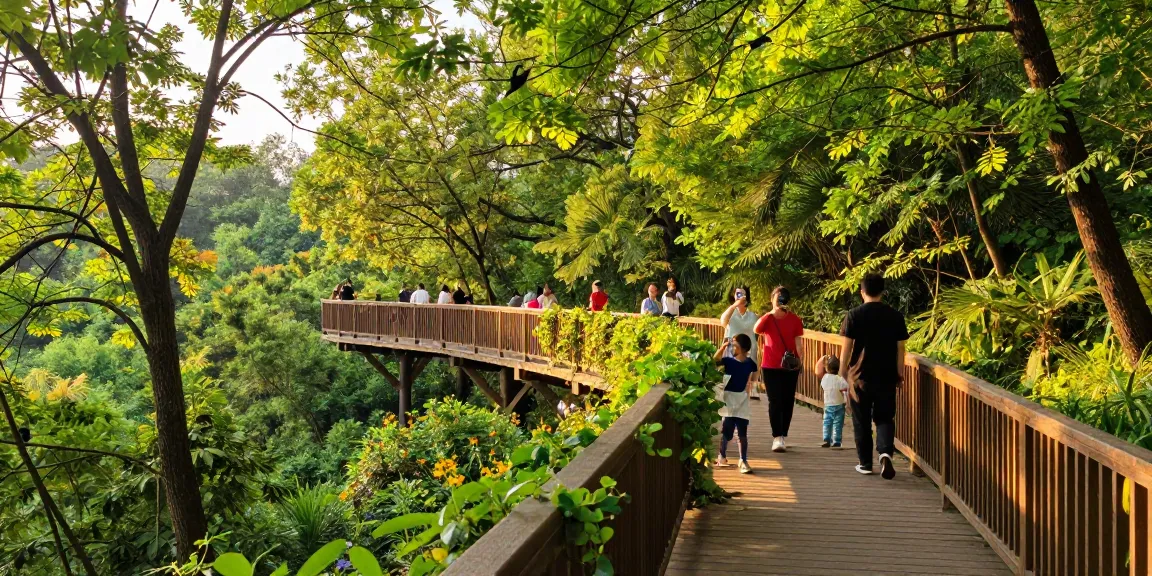
A treetop walkway is an elevated pathway that allows visitors to walk among the trees in a forest. These walkways can vary in design and structure, ranging from simple wooden paths to intricate steel frameworks that spiral through the canopy. The primary purpose is to enable people to experience the forest from a unique perspective, connecting them with the environment in an immersive way. Many walkways are designed to blend seamlessly with the landscape, offering stunning views while minimising ecological impact.
History and Evolution of Treetop Walkways
The first known treetop walkways were built in the 20th century, primarily in Europe, as part of eco-tourism initiatives aimed at promoting environmental awareness and conservation. The idea quickly gained popularity, leading to a surge in construction worldwide. Today, these structures are not only found in forests but also in botanical gardens, national parks, and adventure parks, adapting to various landscapes and environments, showcasing the evolution of architectural designs that prioritize eco-friendliness.
Benefits of Visiting a Treetop Walkway
- Immersive Nature Experience: Walking among the treetops provides a unique opportunity to appreciate flora and fauna that may be overlooked at ground level.
- Physical Activity: Treetop walkways encourage physical activity in an enjoyable setting, making them an excellent choice for families and fitness enthusiasts alike.
- Educational Opportunities: Many walkways provide informational signage or guided tours, offering insights into the ecosystem, wildlife, and conservation efforts.
- Accessibility: These pathways are often designed for individuals of all ages and abilities, making nature more accessible.
Design and Construction of Treetop Walkways
Architectural Features of Modern Treetop Walkways
Modern treetop walkways are marvels of engineering, incorporating innovative design principles that ensure both safety and aesthetic appeal. Many walkways feature cantilevered sections, allowing them to extend over gaps in the forest without disturbing the ground below. Others use glass panels for flooring, providing a transparent view of the forest floor while enhancing the sensation of being suspended among the trees. These structures are thoughtfully designed to harmonise with the natural surroundings, often using organic shapes and local materials.
Materials and Sustainability Considerations
Construction of treetop walkways employs a variety of materials, with an emphasis on sustainability. Recycled steel and sustainably sourced timber are common choices, reflecting a commitment to environmental stewardship. Additionally, many walkways are designed to have minimal ecological impact during installation, leaving the surrounding habitat largely undisturbed. Maintenance regimes are equally important, ensuring that any materials used remain durable and environmentally friendly throughout the walkway's lifespan.
Safety Regulations and Guidelines
Safety is paramount when constructing and maintaining treetop walkways. Regulations typically dictate the allowable materials, structural integrity, and load-bearing capacities. For example, in many regions, walkways must be able to support emergency services and must adhere to strict guidelines regarding accessibility. Regular inspections are essential to ensure the structure remains safe for public use, checking for wear and tear, potential hazards, and overall structural integrity.
Top Global Treetop Walkway Destinations
Iconic Treetop Walkways Around the World
Several treetop walkways have become iconic landmarks due to their unique designs and breathtaking vistas. Notable examples include:
- The Treetop Walk at Kew Gardens, UK: An 18-meter-high walkway that winds through a stunning array of trees, offering panoramic views of the surrounding gardens.
- The Wild Walk at The Wild Center, USA: A series of elevated paths that offer interactive experiences, such as a spider web climbing structure and a twig treehouse.
- Murch Canopy Walk, USA: A 500-foot-long walkway that rises 65 feet above the forest floor, immersing visitors in the beauty of the forest canopy.
Local Hidden Gems Worth Visiting
In addition to the well-known treetop walkways, many hidden gems offer equally stunning experiences, often with fewer visitors. Locations such as the Treetop Walkway at the Valley of the Giants in Australia and the Aerial Walkway at the Arboretum in Ohio provide unique perspectives and are often set in breathtaking natural environments, making them well worth a visit.
How to Plan Your Visit to a Treetop Walkway
Planning a visit to a treetop walkway requires some consideration to ensure a fulfilling experience. Key tips include:
- Check Accessibility: Verify that the walkway is accessible for your party, especially if travelling with individuals who may have mobility challenges.
- Weather Considerations: Rain or wind can affect visibility and safety; checking the forecast can help in planning a successful trip.
- Time Your Visit: Early mornings or late afternoons often yield fewer crowds and provide splendid lighting for photography.
- Prepare for Nature: Bring necessary items such as water, snacks, and appropriate footwear for comfort during your visit.
Experiencing Nature: Activities on the Treetop Walkway
Photography Tips for Capturing the Perfect Moment
A treetop walkway offers unparalleled opportunities for photography. To get the best shots:
- Utilise natural light: Early mornings and late afternoons provide the best lighting for vibrant photographs.
- Experiment with angles: Capture the height and depth of the walkway by shooting from various perspectives.
- Incorporate wildlife: Photographs featuring birds and other animals can create dynamic nature shots.
Wildlife Observation from Above
Observing wildlife from a treetop walkway offers visitors a unique vantage point. Many species, such as birds, squirrels, and insects, are more visible at higher elevations. Bring binoculars to enhance your viewing experience and consider learning about the local ecosystem beforehand to better identify native species.
Engaging Activities for Families and Children
Treetop walkways are ideal for family outings, offering numerous engaging activities:
- Educational scavenger hunts: Create a checklist of local flora and fauna for children to find along the walkway.
- Storytime in the trees: Encourage children to share stories inspired by their surroundings, fostering creativity and imagination.
- Nature journals: Equip children with notebooks to document their observations and drawings, enhancing their engagement with nature.
The Future of Treetop Walkways: Trends and Innovations by 2026
Emerging Technologies in Treetop Walkway Design
The future of treetop walkways is poised for innovation. Emerging technologies such as augmented reality (AR) can enhance visitor experiences by overlaying information about the surrounding ecosystem directly onto their view. Additionally, smart sensors can monitor visitor traffic and structural integrity, ensuring safety and improving visitor management.
Environmental Impact and Conservation Efforts
As the popularity of treetop walkways grows, so does the importance of conservation. Many new designs are focusing on minimizing environmental impact by integrating natural elements and using eco-friendly materials. Furthermore, treetop walkways can play a crucial role in educating the public about conservation efforts and the importance of protecting natural habitats.
Predictions for Treetop Walkways in the Coming Years
By 2026, we can expect to see an increase in the number of treetop walkways worldwide, particularly as eco-tourism continues to rise. Expect more diverse offerings, including themed walkways that blend art, nature, and education to provide a holistic experience for visitors. Additionally, collaboration between local communities and conservation organisations will likely expand, ensuring that walkways contribute positively to both tourism and environmental stewardship.
Is the Treetop Walkway Worth the Visit?
For nature enthusiasts, families, and adventure seekers alike, a visit to a treetop walkway is undoubtedly worth the experience. The unique perspectives, immersive natural encounters, and educational opportunities they provide make them an invaluable addition to any travel itinerary.
Where Can I Find Treetop Walkways?
Treetop walkways are increasingly located in various natural parks, botanical gardens, and urban settings around the globe. A quick internet search or a visit to dedicated tourism websites will often yield locations near you or in travel destinations you wish to explore.
What Should I Bring to a Treetop Walkway?
When visiting a treetop walkway, be sure to prepare adequately. Essential items include:
- Comfortable shoes for walking
- Water to stay hydrated
- Sunscreen and a hat for sun protection
- A camera for capturing memories
- Binoculars for wildlife observation