Understanding the Concept of Farm-to-table Restaurants Cabo
Definition and Origins of Farm-to-table Dining
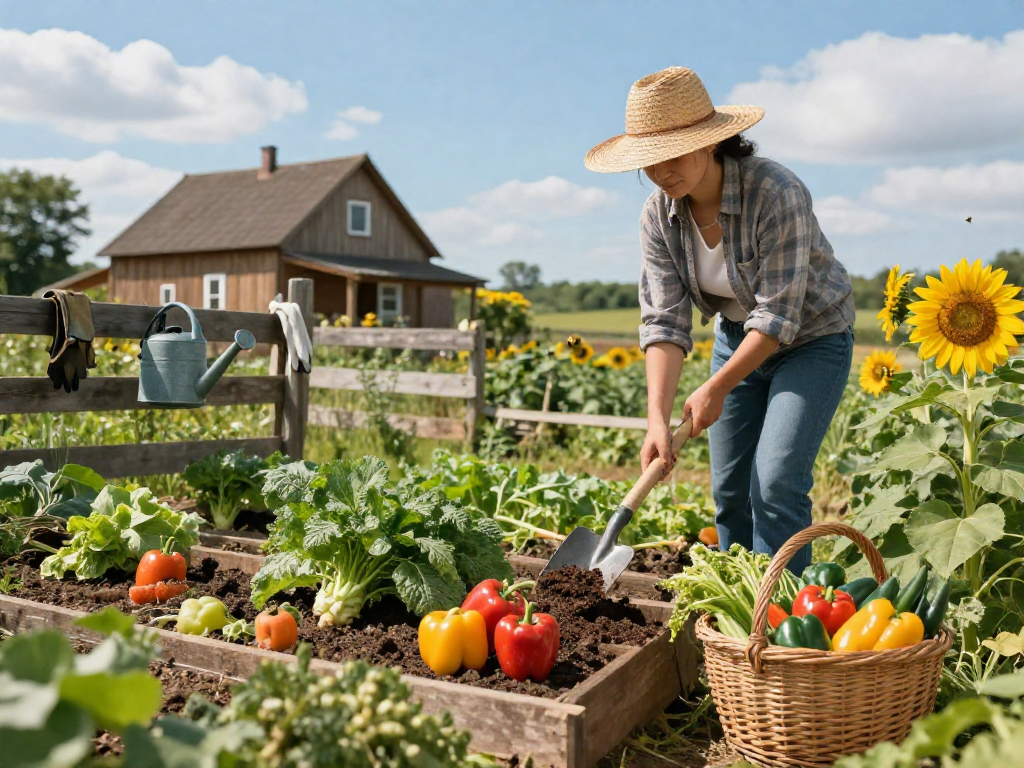
The farm-to-table movement focuses on sourcing ingredients directly from local producers. It emphasizes a minimal distance between the farm where food is grown and the table where it is served. This approach not only ensures freshness but also promotes sustainable agricultural practices. The concept gained traction in the United States during the 1970s as consumers began to seek healthier, organic food alternatives. Chefs and restaurateurs started forming direct relationships with local farmers, allowing them to create seasonal menus that celebrated regional produce.
The Benefits of Choosing Farm-to-table Restaurants Cabo
Choosing Farm-to-table restaurants Cabo provides numerous advantages. Firstly, diners get to enjoy fresher meals. Ingredients that travel less distance from farm to plate are often more flavorful and nutritious. Secondly, these restaurants support local economies by giving business to nearby farmers and producers, fostering community ties. Additionally, many farm-to-table establishments prioritize sustainable practices, further reducing their environmental impact. Lastly, they often provide a unique dining experience, as menus change seasonally, offering new and exciting flavors for patrons.
Popular Ingredients in Farm-to-table Cuisine
Farm-to-table cuisine boasts a diverse array of ingredients that reflect local agriculture. Common ingredients include organic vegetables like heirloom tomatoes, fresh greens, and root vegetables; sustainably sourced proteins, such as grass-fed beef and free-range chicken; and artisanal products, like local cheeses and freshly baked bread. Additionally, herbs and spices grown in regional gardens enhance the flavors of dishes. The emphasis is on quality and seasonality, resulting in menus that highlight the best offerings each season has to provide.
Top Characteristics of Farm-to-table Restaurants Cabo
Locally Sourced Ingredients
One defining characteristic of farm-to-table restaurants is their commitment to locally sourced ingredients. These establishments often cultivate relationships with farmers to ensure the freshest produce, proteins, and even beverages are used in their dishes. This connection not only guarantees quality but often allows restaurants to share the stories of the growers behind their food, creating a more immersive dining experience.
Seasonal Menus and Culinary Innovation
Farm-to-table restaurants frequently update their menus to align with seasonal availability. This approach not only enhances flavor but also fosters culinary creativity. Chefs innovate with techniques and flavor combinations, spurring a dynamic dining climate where regulars can anticipate new tastes with every visit. The rotation of menu items also encourages patrons to explore dishes they might not typically order, broadening their culinary horizons.
Commitment to Sustainability
Another hallmark of farm-to-table dining is its strong commitment to sustainability. This commitment manifests in various ways, including the usage of eco-friendly packaging, reducing food waste, and sometimes even implementing composting systems. Restaurants may also strive to use renewable energy sources or engage in community-supported agriculture (CSA) to further their reach and impact in the local ecosystem. This dedication resonates with diners who are increasingly concerned about the environmental footprints of their food choices.
Finding the Best Farm-to-table Restaurants Cabo
Online Reviews and Recommendations
In today’s digital age, finding the best Farm-to-table restaurants Cabo is easier than ever. Online review platforms, social media, and culinary blogs provide insight into diners' experiences. Websites and apps allow users to search for restaurants based on specific criteria, including farm-to-table dining. Checking out recent reviews and ratings gives potential patrons a sense of the restaurant's atmosphere, service quality, and dish offerings.
Regional Features to Look For
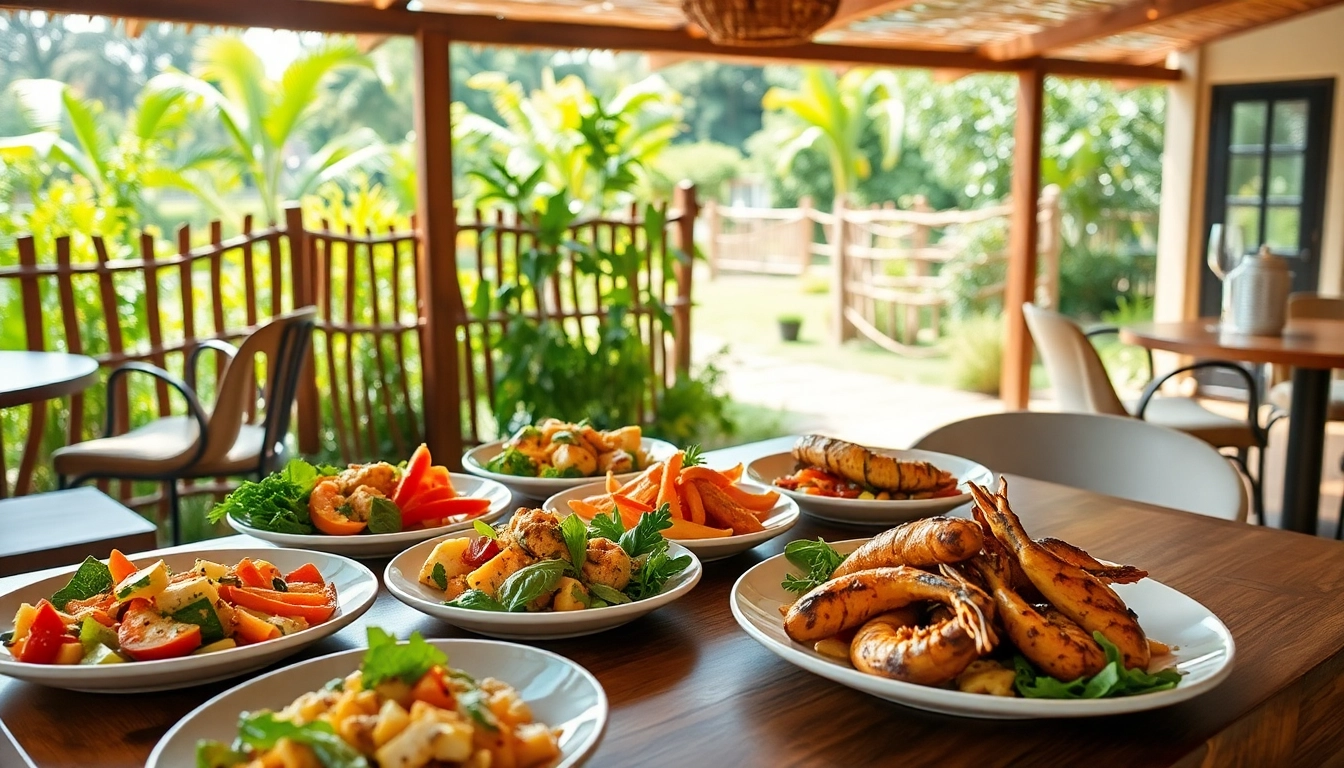
When evaluating farm-to-table restaurants, certain regional features can enhance the dining experience. Look for establishments that highlight their sourcing practices, showcasing the local producers they collaborate with. Many successful farm-to-table restaurants also emphasize their culinary philosophy, detailing how they prioritize sustainability. Additionally, consider the ambiance of the restaurant—many feature open kitchens or garden views to reinforce their connection to nature and agriculture.
Reservations and Dining Experiences
Reservations may be advisable at popular farm-to-table restaurants, especially during peak dining hours or seasons. Many establishments offer unique dining experiences, such as chef’s tasting menus or cooking classes, that allow diners to engage more deeply with their food. Engaging with the restaurant staff can lead to recommendations on the best seasonal dishes or wine pairings, fostering a more personal connection to the meals being enjoyed.
Dining Etiquette in Farm-to-table Restaurants Cabo
Understanding Menu Descriptions
Understanding menu descriptions in farm-to-table restaurants can enhance the overall dining experience. Many menus include detailed descriptions of ingredients, sourcing practices, and preparation styles to showcase the chef’s creative process. Diners should take the time to read these descriptions carefully, as they often reveal the origins of the dishes and the commitment of the restaurant to quality and sustainability.
Tipping Practices in Cabo
Tipping in Cabo follows customary practices similar to those found in the United States. A standard tip ranges from 15% to 20% of the total bill, depending on the level of service received. In farm-to-table restaurants, where service is often attentive and knowledgeable, tipping toward the higher end of this range is appreciated. Diners should also consider leaving a tip for any additional experiences, such as guided tours of the kitchen or unique interactions with staff.
Pairing Drinks with Farm-to-table Meals
Pairing drinks with farm-to-table meals can elevate the dining experience. Many restaurants provide extensive wine lists that feature local vineyards and craft breweries. When selecting a beverage, consider the predominant flavors in your dishes. For example, a crisp Sauvignon Blanc pairs well with fresh salads or seafood, while a robust red wine might complement heartier dishes featuring beef or game. Moreover, many farm-to-table restaurants offer unique house cocktails made with seasonal herbs and fruits, contributing to the overall freshness of the meal.
Future Trends in Farm-to-table Restaurants Cabo
The Rise of Plant-Based Options
The demand for plant-based options is on the rise within the farm-to-table movement. As health consciousness increases and environmental concerns take center stage, many restaurants are expanding their vegetable-based offerings. Chefs are creatively exploring plant-based proteins and innovative cooking techniques that highlight vegetables as the star of the menu. This shift not only responds to consumer preferences but also showcases the versatility of local produce.
Integrating Technology with Dining Experiences
Integration of technology into the dining experience is another trend influencing the future of farm-to-table restaurants. Many establishments are adopting digital menus, online reservations, and contactless payment options to enhance convenience for diners. Furthermore, augmented reality could allow patrons to learn more about the local farms supplying their meals, deepening their connection to the sourcing practices behind the food they enjoy.
Community Engagement and Events
Community engagement is vital for the sustainability of farm-to-table restaurants. Many establishments host events like farm tours, cooking demonstrations, and local food festivals to raise awareness about local food systems. These events not only celebrate local agriculture but also foster a sense of community among patrons. As this movement grows, restaurants may focus on collaborations with local artisans and communities to create immersive culinary experiences that celebrate regionally sourced ingredients.