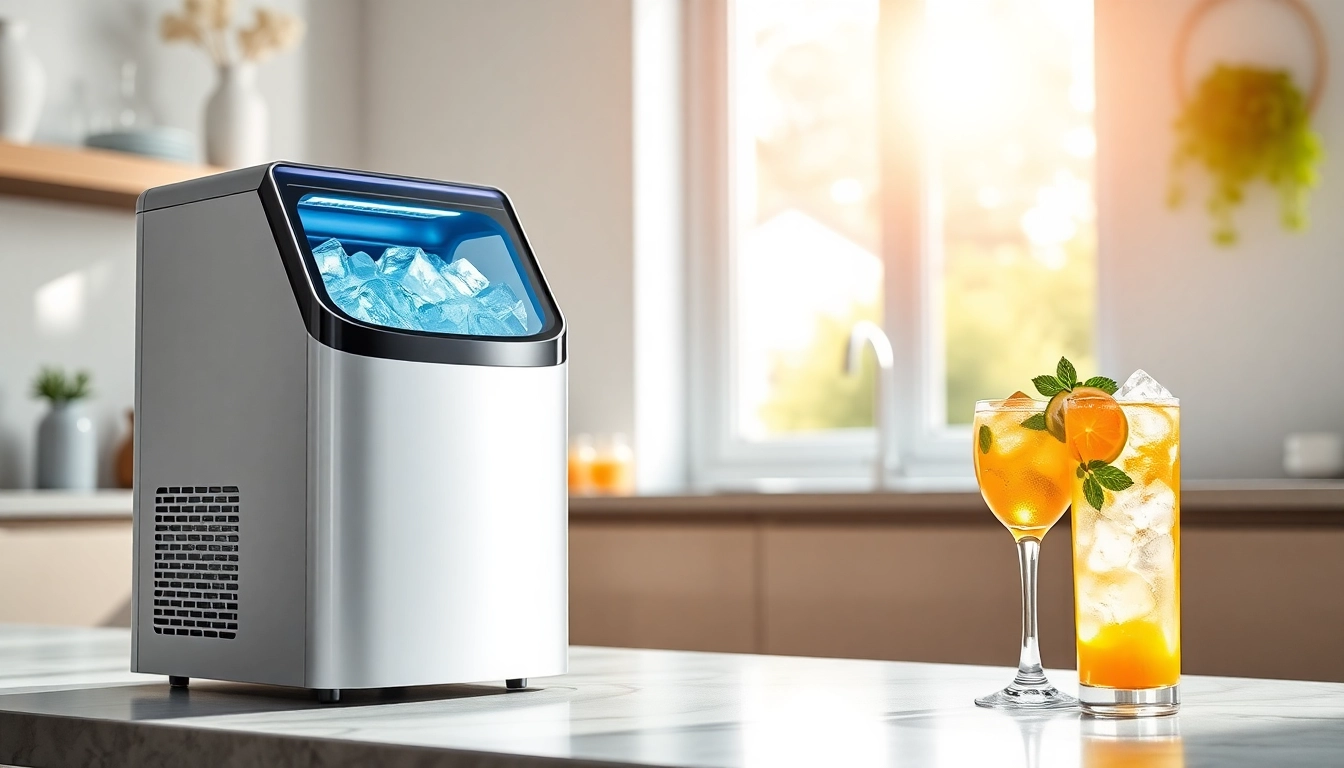
Understanding the Types of Ice Makers
When looking for the perfect addition to your kitchen, understanding the different types of ice maker is essential. Ice makers come in various forms to meet different needs and preferences. Whether you are hosting a party or simply enjoy iced beverages on a hot day, an ice maker can enhance your experience significantly. In this section, we explore the two primary categories: countertop and built-in ice makers.
Countertop Ice Maker Features
Countertop ice makers are designed for convenience and portability. Typically compact, these machines can easily fit on your kitchen counter or dining area. Here are some essential features:
- Portability: Most countertop ice makers are lightweight and easily moved, making them ideal for parties or outdoor events.
- Quick Ice Production: Many units can produce ice in as little as six minutes, providing a quick solution for entertaining guests.
- Multiple Ice Sizes: Depending on the model, users can typically select different ice cube sizes to suit their drink preferences.
Comparison of Portable and Built-in Ice Makers
While both types serve the fundamental purpose of making ice, they cater to different needs:
- Portable Ice Makers: These machines are great for flexibility and are excellent for recreational use. Ideal for camping trips or gatherings, they require minimal installation.
- Built-in Ice Makers: Intended for permanent installation, built-in models integrate seamlessly into kitchen cabinetry. They often have larger ice production capabilities and better ice storage systems.
Energy Efficiency in Ice Makers
Energy efficiency is a critical consideration for consumers. Portable ice makers tend to consume less power compared to traditional refrigerator ice makers. Many modern models come with energy-saving features, such as automatic shut-off and energy-efficient designs. It's essential to look for models that are Energy Star certified to reduce your energy bills while also being environmentally friendly.
Benefits of Owning an Ice Maker
Investing in an ice maker offers numerous advantages that can greatly improve your culinary experiences. From convenience to cost savings, let’s breakdown the main benefits.
Convenience of Having Ice on Demand
One of the greatest advantages of owning an ice maker is the convenience of having ice available whenever needed. You can easily prepare a variety of beverages without the hassle of traditional ice cube trays. This accessibility not only saves time but also enhances your overall entertaining capabilities.
Cost Savings Over Time
Though the initial purchase may seem like a significant investment, an ice maker can lead to substantial savings over time. No more trips to the store to buy bags of ice, and the ability to make ice on demand means you can use what you need without wasting resources. Over time, the convenience and efficiency of producing your own ice will outweigh the cost of the machine.
Enhanced Beverage Experience for Entertaining
When hosting gatherings, the right ice can elevate your beverage presentation. Whether serving cocktails or soft drinks, fresh, clean ice adds a professional touch to your drinks. Moreover, with the ability to customize ice sizes, you can cater to various preferences, improving your guests’ experience.
Key Features to Look for in an Ice Maker
To ensure you choose the right ice maker, it's important to be aware of key features that cater to your specific needs. Here are some factors to consider:
Production Capacity and Speed
Consider how much ice you will require based on your lifestyle and consumption patterns. Different models have varying production capacities ranging from 20 to 50 pounds per day. In addition, the speed at which they produce ice can vary, with some countertop machines generating ice in under 10 minutes.
Type of Ice Produced: Cube vs. Nugget
The type of ice produced is another essential feature to contemplate. Some models produce traditional cube ice, which is versatile for most drinks. However, if you prefer softer, chewable ice (like nugget ice), look for specialized nugget ice makers. This type of ice is often favored in beverages to enhance texture and flavor.
Ease of Use and Maintenance
Look for an ice maker that is user-friendly, with intuitive controls and clearly labeled functions. Additionally, regular maintenance is necessary to ensure ice quality and machine longevity. Models that offer automatic cleaning cycles or simple disassembly for cleaning will save you time and effort.
Installation and Setup Guide
Once you decide on the right ice maker for your needs, proper installation and setup are crucial for optimal performance. Here are steps to ensure a smooth installation process.
Finding the Right Location in Your Kitchen
Select a location with adequate ventilation, accessibility, and space to accommodate the ice maker’s size. Ensure that it does not obstruct pathways or existing appliances in your kitchen.
Connecting to Water Supply and Electrical Requirements
Depending on the type of ice maker, you may need to connect it to a water supply. Some portable units rely on filling the reservoir manually, while built-in ice makers often require plumbing connections. Always consult the user manual for electrical requirements and ensure that your kitchen's power outlet is compatible.
Initial Setup and First Use Instructions
After finding the right location, follow the manufacturer’s instructions for setup. This typically involves flushing the system with fresh water, programming settings, and waiting for the first batch of ice. Familiarize yourself with the operational features to maximize its use from the start.
Frequently Asked Questions About Ice Makers
What is the average ice production rate of an ice maker?
Most home ice makers produce between 20 to 50 pounds of ice per day depending on the model and its specifications.
Can ice makers be used in outdoor settings?
Yes, portable ice makers are designed for outdoor use. Ensure they are kept in a shaded, well-ventilated area and free from moisture.
How do I clean and maintain my ice maker?
Regular cleaning involves rinsing the water reservoir and ice bin. Many units have automatic cleaning cycles; check the manufacturer's guidelines for the best practices.
What is the best type of ice maker for home use?
The best type depends on personal needs. For occasional use, a portable ice maker is ideal, while frequent users may prefer built-in ice makers for higher capacity.
Are ice makers energy-efficient?
Many modern ice makers are energy-efficient, especially models that are Energy Star certified. They are designed to consume less electricity while providing ample ice production.