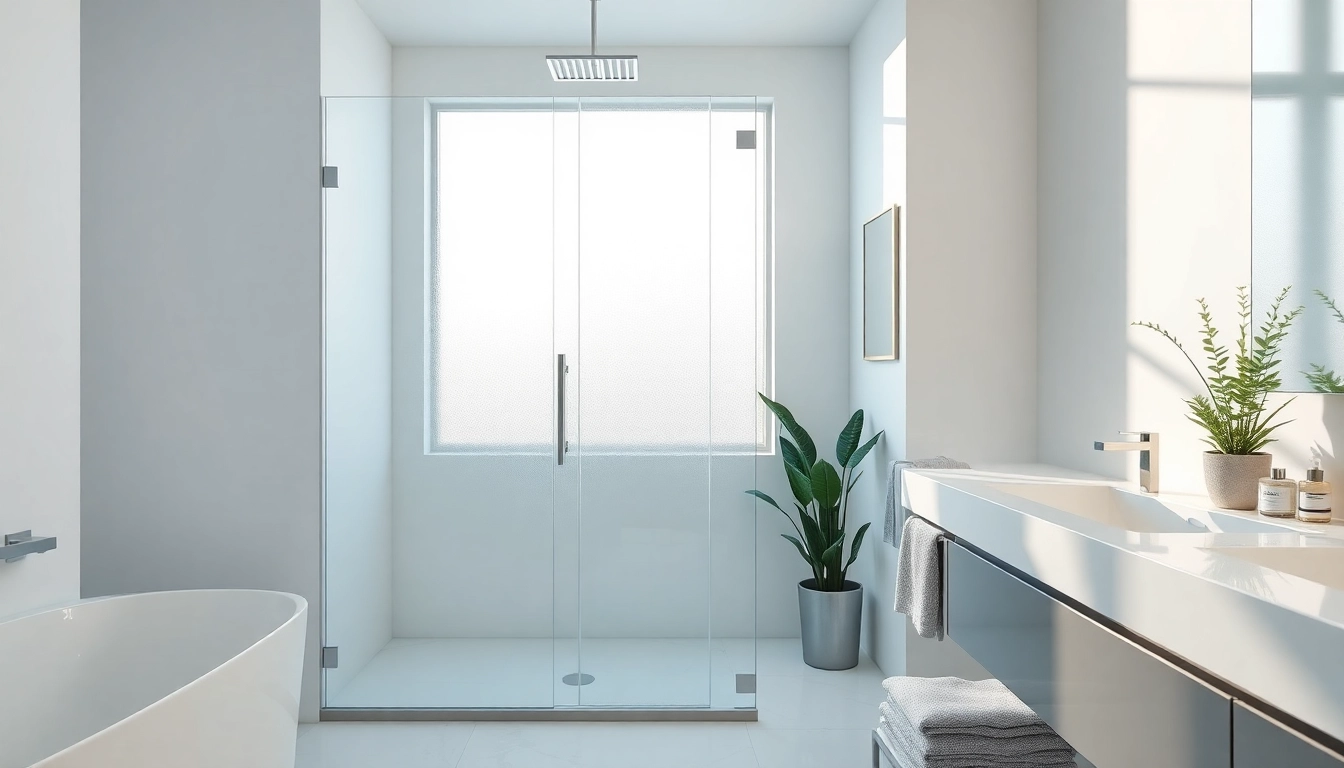
Introduction to Sliding Shower Screens
Sliding shower screens represent a stylish and functional solution for modern bathrooms. They are increasingly becoming the preferred choice for homeowners due to their aesthetic appeal and space-saving capabilities. With the ability to enhance any bathroom design, sliding shower screens not only optimize the available space but also provide a contemporary look that complements various design styles. This article delves deep into the many aspects of sliding shower screens, including their benefits, key features, installation methods, maintenance tips, and much more.
What Are Sliding Shower Screens?
Sliding shower screens are glass enclosures that slide open and closed in a smooth motion, providing easy access to the shower area. Unlike traditional hinged doors that require additional space to swing open, sliding screens glide along tracks mounted on the shower enclosure's frame or wall. They come in various styles, such as framed, semi-frameless, and frameless designs, allowing for versatility in terms of aesthetics and functionality.
Benefits of Using Sliding Shower Screens
Sliding shower screens come with multiple advantages:
- Space Efficiency: They are ideal for smaller bathrooms where every square inch matters.
- Elegance: Their sleek lines and modern designs enhance the overall look of the bathroom.
- Ease of Use: Sliding mechanisms allow for effortless opening and closing.
- Variety of Options: They are available in different styles and finishes, making it easier to match with existing decor.
Material Options Available
The materials used for sliding shower screens significantly affect their appearance and durability. Common options include:
- Tempered Glass: Safety glass that is heat-treated for strength and shatter resistance.
- Acrylic: A lightweight option that is less fragile but may scratch easily.
- Framing Materials: Available in options like aluminum or stainless steel, which offer robust support and an upscale look.
Key Features of Sliding Shower Screens
Design Flexibility and Aesthetics
Sliding shower screens are versatile and can seamlessly integrate into different bathroom designs—from contemporary to traditional. Their transparency allows light to flow through, making bathrooms appear larger and brighter. Different glass treatments, such as frosted or etched designs, add privacy while maintaining a stylish look.
Space Optimization for Small Bathrooms
One of the standout benefits of sliding shower screens is their ability to optimize space. They do not require any clearance for door swings, making them perfect for tight corners or compact bathrooms. The sliding feature allows users to maximize their available shower area without worrying about door obstructions.
Easy Maintenance and Durability
Sliding shower screens are generally easy to clean and maintain. The absence of hinges and complex mechanisms simplifies the cleaning process, allowing homeowners to wipe down the glass surfaces easily. Additionally, high-quality tempered glass is resistant to scratching and chipping, ensuring a long-lasting investment.
Choosing the Right Sliding Shower Screens
Size and Fit Considerations
When selecting sliding shower screens, size is a critical factor. Homeowners should measure their space accurately to choose a screen that fits without crowding the bathroom. Standard sizes often range from 48 inches to 72 inches wide, but custom sizes can be ordered for unique spaces.
Frameless vs. Framed Designs
Choosing between frameless and framed designs depends on personal preference and desired aesthetics. Frameless designs provide a minimalist look and a more open feel, while framed options generally offer more robust support and could be easier to install and maintain.
Glass Thickness and Quality Factors
The thickness of glass used in sliding shower screens is crucial for safety and durability. Common thicknesses range from 3/8 inch to ½ inch. Thicker glass tends to be more durable, providing a sense of quality and reassurance against cracking. Always choose tempered glass, which is safer and stronger than regular glass.
Installation of Sliding Shower Screens
DIY vs. Professional Installation
While some homeowners may choose to install sliding shower screens themselves, hiring a professional is often recommended to ensure a proper fit and finish. Professional installers have the experience and tools needed to handle potential complications that could arise during installation.
Tools and Materials Needed
For those opting for a DIY installation, the following tools and materials are typically required:
- Measuring tape
- Drill
- Screwdriver
- Level
- Silicone sealant
Step-by-Step Installation Guide
Here’s a simplified guide to installing sliding shower screens:
- Measure Your Shower Space: Float your measurements to ensure the screens fit correctly.
- Assemble the Frame: If using a framed option, assemble according to the manufacturer's instructions.
- Install the Tracks: Securely attach the tracks to the wall using screws.
- Attach the Screes: Carefully slide the screens into position on the tracks.
- Seal Edges: Use silicone sealant to seal any gaps to prevent water leakage.
Maintenance Tips for Sliding Shower Screens
Cleaning Techniques for Glass Surfaces
To keep sliding shower screens sparkling clean, use a mixture of vinegar and water for a natural cleaning solution. Avoid harsh chemicals or abrasive materials that could scratch the glass. Regular maintenance is key to preventing soap scum buildup and water stains.
Preventing Mold and Mildew
Mold and mildew can thrive in damp areas. To deter this, regularly wipe down the glass and ensure proper ventilation in your bathroom. Consider using a squeegee after each shower to keep surfaces dry.
Long-Term Care Strategies
For long-lasting sliding shower screens, periodically check the rolling mechanisms and tracks. Keeping these free of debris and lubricated will ensure smooth operation for years. Additionally, replace worn-out seals promptly to maintain water-tight integrity.
FAQs
1. Are sliding shower screens good?
Yes, sliding shower screens are excellent for optimizing space and enhancing bathroom aesthetics. They create a modern look while providing ease of access.
2. How much do sliding shower screens cost?
Sliding shower screens generally range from $700 to $2,000, depending on materials, size, and design complexity.
3. Can I install sliding shower screens myself?
While it's possible to install them yourself, professional installation is recommended for precise fitting and to avoid issues.
4. What materials are best for sliding shower screens?
Tempered glass is the best material for sliding shower screens due to its strength, safety, and aesthetic appeal.
5. How can I keep my sliding shower screens clean?
Regularly clean with a vinegar solution and a non-abrasive cloth to keep your screens clear and free from water spots.