Understanding Garage Floor Coatings
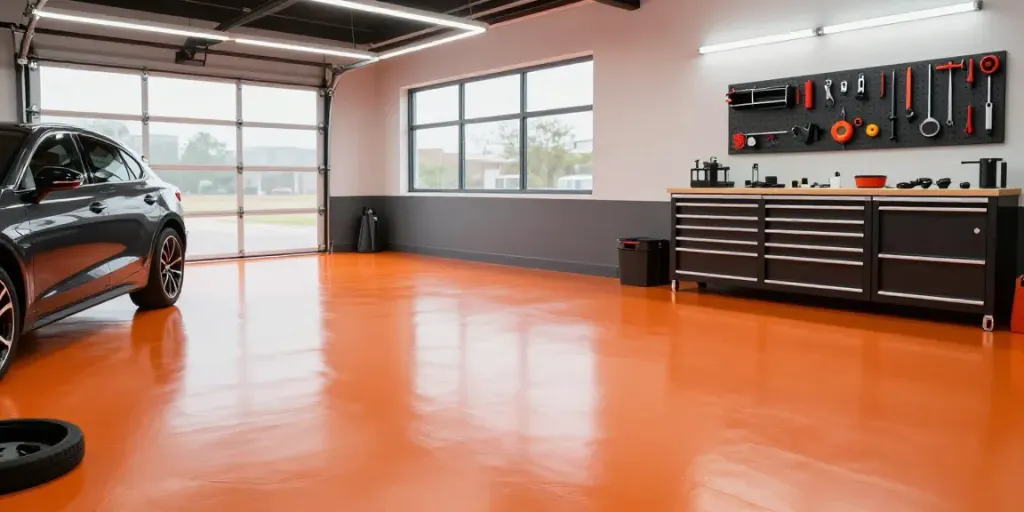
Garage floor coatings are an essential aspect of maintaining and enhancing the functionality of your garage space. These coatings provide protective layers that shield the concrete underneath from damage due to spills, stains, and heavy traffic. They also offer aesthetic improvements, making garages look more appealing and organized. When exploring options, Garage Floor Coatings provide comprehensive insights into selections that best suit your needs.
What Are Garage Floor Coatings?
Garage floor coatings are specialized materials applied over concrete surfaces to enhance durability and appearance. They can be made from several substances, including epoxy, polyurea, and polyaspartic resins. These coatings transform ordinary concrete floors into robust surfaces capable of withstanding harsh conditions, such as oil spills, chemicals, and heavy impacts.
Benefits of Using Garage Floor Coatings
- Durability: Garage floor coatings increase the longevity of concrete surfaces, protecting them from wear and tear.
- Aesthetics: Available in various colors and finishes, these coatings can significantly enhance the appearance of your garage.
- Ease of Maintenance: Coated surfaces are easier to clean and maintain compared to bare concrete.
- Safety: Non-slip options are available to minimize the risk of falls, especially in areas prone to moisture.
- Eco-Friendly Options: Many modern coatings use VOC-free materials, making them safer for both the environment and human health.
Common Materials Used in Garage Floor Coatings
The choice of material for garage floor coatings greatly affects performance, durability, and appearance. The most common types include:
- Epoxy: A popular choice for its durability and resistance to chemicals, epoxy coatings can last for decades when applied correctly.
- Polyurea: Known for its quick curing time and flexibility, polyurea coatings can withstand extreme temperatures and UV exposure.
- Polyaspartic: This advanced form of polyurea cures even faster and offers superior protection, making it ideal for high-traffic garages.
Popular Types of Garage Floor Coatings in 2026
The garage flooring industry is evolving, offering a range of innovative options for homeowners looking to upgrade their garage spaces. Each type has its unique benefits and characteristics, influencing the choice based on individual needs and preferences.
Epoxy Garage Floor Coatings
Epoxy garage floor coatings create a tough, long-lasting surface that's resistant to stains, abrasions, and impacts. Typically applied as a two-part system, epoxy can be customized with color flakes or metallic finishes to enhance visual appeal. From DIY kits to professional installations, epoxy remains a top choice for homeowners seeking durability.
Polyurea and Polyaspartic Floor Coatings
Polyurea and polyaspartic coatings are gaining popularity due to their rapid curing times and exceptional performance. Unlike epoxy, which can take days to fully cure, these coatings can be applied in a matter of hours, reducing downtime and allowing for immediate use. They also offer superior UV resistance, preventing yellowing and degradation over time.
DIY vs. Professional Garage Floor Coating Options
While many homeowners may consider applying garage floor coatings themselves, the results can vary significantly based on skill level and preparation. DIY kits offer affordability and convenience but may lack the professional finish achieved through expert installation. On the other hand, professional services ensure proper surface preparation, application, and long-term durability, making them a worthwhile investment.
Choosing the Right Garage Floor Coating for Your Needs
Selecting the appropriate garage floor coating requires careful consideration of various factors, including the intended use of the garage, environmental conditions, and personal preferences.
Factors to Consider When Selecting Coatings
- Durability: Assess the level of traffic and potential impact on the garage floor to determine the required durability.
- Climate: Consider your local climate, as certain coatings perform better under specific temperature and humidity conditions.
- Aesthetic Preferences: Choose colors and finishes that complement your home or meet your personal style preferences.
How to Assess Your Garage Floor Condition
Before applying a new coating, it's crucial to evaluate the condition of your existing concrete floor. Look for cracks, spalling, and surface imperfections that may need repair or remediation. A thorough cleaning is also essential to ensure proper adhesion for the new coating.
Matching Aesthetics with Functionality
While functionality is vital, aesthetics shouldn't be overlooked. Consider how the coating color and finish will enhance your garage's overall look. For instance, light colors can make the space appear larger and brighter, while darker tones may show dirt less easily. Flakes and textures can add depth and visual interest to the finished surface.
Application Techniques for Garage Floor Coatings
A successful application of garage floor coatings hinges on meticulous preparation and execution. Understanding the correct techniques can significantly impact the longevity and performance of the coating.
Preparing the Concrete Surface
Surface preparation is the most critical step in the application process. Begin by cleaning the concrete thoroughly to remove dust, oil, and debris. This may involve power washing or using a degreaser. Any cracks or imperfections should be repaired to ensure a smooth finish. Finally, etching the surface may be required to enhance adhesion.
Step-by-Step Application Process
- Mix the Coating: Follow the manufacturer's instructions for mixing the coating, ensuring proper ratios for best results.
- Apply Primer (if required): Some coatings benefit from a primer that aids in adhesion.
- Pour and Spread: Pour the coating onto the floor and use a roller or squeegee to evenly distribute it.
- Add Flakes (optional): If using decorative flakes, sprinkle them onto the wet coating for added texture and appearance.
- Allow to Cure: Follow the curing time recommendations to ensure proper hardening and bonding.
Common Mistakes to Avoid During Application
To achieve the best results, avoid common pitfalls such as:
- Neglecting surface preparation, which can lead to peeling or delamination.
- Applying the coating in unfavorable weather conditions, such as extreme heat or humidity.
- Skipping the recommended waiting times between coats, which can compromise adhesion.
Future Trends in Garage Floor Coatings
The garage flooring market continues to innovate, with emerging trends reflecting consumer preferences, sustainability, and advanced technology.
Innovative Materials and Technologies Emerging
As technology advances, new formulations and application techniques are being developed. Innovations such as self-leveling coatings and hybrid systems that combine the best attributes of various materials are gaining traction. These advancements not only improve performance but also expand design possibilities.
Eco-Friendly Garage Floor Coating Solutions
The demand for sustainable options is rising, leading manufacturers to develop eco-friendly coatings that minimize environmental impact. VOC-free materials are increasingly popular, providing safer installations without compromising quality or performance.
Consumer Preferences Shaping the Industry
Homeowners are becoming more discerning in their choices, leading to a focus on customizable options, enhanced aesthetics, and multifunctional coatings that meet specific needs. Trends show increasing interest in coatings that can withstand heavy use while still looking attractive.
What Is the Average Cost of Coating a Garage Floor?
The cost of coating a garage floor can vary significantly based on several factors, including the type of coating chosen, the size of the garage, and whether you opt for a DIY approach or professional installation. On average, DIY kits may range from $100 to $300, while professional applications can cost anywhere from $1,500 to $3,500 or more.
Is Coating a Garage Floor Worth It?
Investing in a garage floor coating is often worth it, especially when considering the long-term benefits such as durability, ease of maintenance, and aesthetic appeal. A properly coated garage floor can enhance the overall value of your home and provide a safer, more functional space.